lakeland mold removal services fl

Essential Tips for Lakeland, FL Mold Removal and Preventing Moisture Issues in Your Home

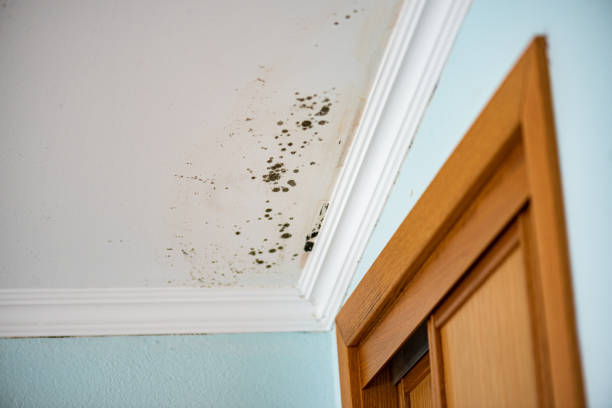
Mold-Infested Ceiling in a Bedroom – dangerous and health-damaging Mold-Infested Ceiling in a Bedroom – dangerous and health-damaging mold growth stock pictures, royalty-free photos & images

Maintaining a mold-free home is essential for promoting a healthy living environment. Mold thrives in damp, humid conditions, making it critical to properly manage moisture levels throughout your home. By implementing preventive measures, you can protect your property and the health of those who live there.

Control Indoor Humidity Levels

Excessive humidity creates an ideal breeding ground for mold. Aim to keep indoor humidity levels between 30% and 50%. Use tools like hygrometers to monitor humidity levels in your home.
Install dehumidifiers: Ideal for basements, bathrooms, or other areas prone to dampness.
Improve airflow: Use ceiling fans or open windows when possible to enhance ventilation.

Address Water Leaks Promptly

Leaking pipes or roofs can create hidden pockets of moisture that lead to significant mold problems over time.
– Inspect plumbing fixtures regularly for leaks or drips. – Fix roof leaks as soon as they are detected. – Check around windows and doors for water intrusion after heavy rain.

Enhance Ventilation in Key Areas

Proper ventilation helps regulate moisture levels indoors.
Bathrooms: Run exhaust fans during and after showers.Kitchens: Use range hoods while cooking or boiling water.Laundry rooms: Ensure dryers are vented outdoors and avoid hanging wet clothes indoors.

Avoid Excessive Indoor Moisture Sources

Some habits unintentionally increase indoor moisture.
– Dry wet surfaces (e. g. , shower walls or counters) immediately after use. – Avoid allowing standing water (e. g. , in sinks or buckets).
– Use a squeegee on glass shower doors after bathing.

Regularly Inspect Vulnerable Areas

Certain spaces within your home are more prone to mold development due to limited airflow or high humidity levels.

Maintain Proper Drainage Around the Home’s Exterior

Water pooling around the foundation increases the likelihood of seepage into basements or crawlspaces. To prevent this: – Clean gutters regularly so they direct water away from your home. – Slope soil away from the foundation by at least 6 inches over a 10-foot span.

Avoid Overwatering Indoor Plants

While plants add aesthetic value and improve air quality indoors, overwatering them can lead to excess moisture in pots—creating an ideal environment for mold growth on soil surfaces.

By following these practices consistently, you will significantly reduce potential sources of indoor mold and maintain a safer living space free from harmful fungi. Take proactive care today so you can enjoy long-term peace of mind regarding your home’s health condition.

How to Identify Excess Moisture and When to Call a Mold Removal Company Lakeland, FL

Excess moisture is one of the primary factors that contribute to mold growth in homes. Early identification of potential moisture issues is crucial to preventing mold infestations and maintaining a healthy indoor environment. Below, we explore the common signs of excess moisture and how to address them effectively.

Common Signs of Excess Moisture

  1. Yellowish or brown stains on ceilings, walls, or floors can indicate water leaks.
  2. Peeling paint or bubbling wallpaper may also be a warning sign.
  3. A musty smell is often associated with mold and indicates hidden moisture problems in areas such as basements, attics, or behind walls.
  4. Frequent condensation may point to high indoor humidity levels. This can lead to moisture accumulation over time.
  5. Black, green, white, or other discolorations on surfaces like tiles, drywall, woodwork, or vents signal existing mold issues due to excess moisture.
  6. Wooden floors that are warped or walls that visibly bulge may result from prolonged exposure to water.
  7. Water accumulating near appliances (such as refrigerators or dishwashers), sinks, bathtubs, or basement floors should be immediately investigated.

How Excess Moisture Contributes to Mold Issues

Mold thrives in damp environments where organic materials (like wood, fabric, and drywall) are present.

  • Poor ventilation in kitchens and bathrooms.
  • Leaking roofs during heavy rains.
  • Plumbing issues such as dripping pipes.
  • High humidity levels exceeding 60%.

Steps for Addressing Excess Moisture

  1. Repair plumbing leaks under sinks and behind fixtures.
  2. Inspect your roof regularly for damage and repair missing shingles.
  3. Use a dehumidifier in high-humidity areas (e. g. , basements).
  4. Keep windows open when possible for better ventilation during dry weather.
  5. Install exhaust fans in kitchens and bathrooms.
  6. Ensure air vents are unobstructed throughout your home.
  7. Address spills promptly by drying affected areas within 24–48 hours.
  8. Use towels or mops to remove standing water after storms or plumbing incidents.
  9. Check under carpets for dampness if spills have occurred recently.
  10. Inspect your attic and crawl spaces regularly for leaks during wet seasons.

Monitoring Tools for Preventing Excess Moisture

Tool Purpose Example Cost Range
Hygrometer Measure indoor humidity levels $10–$30
Leak Detector Sensor Alerts you about water leaks $20–$50
Dehumidifier Reduces air moisture levels $50–$300
Infrared Thermometer Detects temperature variations indicating leaks $25–$100

By keeping these tools handy and addressing early warning signs of excess moisture proactively, homeowners can significantly minimize the risk of mold infestation while ensuring a safe living environment for their families.

Effective Mold Remediation in Lakeland, FL: Identifying Signs of Excess Moisture

Detecting excess moisture early is critical in preventing mold growth in your home. Mold thrives in damp environments, and by identifying these moisture issues promptly, you can safeguard your home and health. Below are key signs that indicate potential moisture problems.

Visible Water Stains and Discoloration

  • Ceilings and Walls: Look for yellow, brown, or dark stains on ceilings or along walls. These often indicate water leaks or condensation buildup.
  • Floors: Warping or buckling of wooden floors can signal water damage. Tile grout may also show discoloration if moisture is trapped beneath.

Persistent Musty Odors

A strong, musty smell is one of the most common indicators of hidden mold caused by excessive moisture. This odor often emanates from areas with poor ventilation, such as basements, laundry rooms, or under sinks.

Condensation on Surfaces

Excessive condensation on windows, pipes, or walls suggests high humidity levels indoors. Over time, this can lead to water accumulation and create ideal conditions for mold growth.

Common Areas with Condensation Possible Causes
Windows Poor insulation or ventilation
Metal Pipes Temperature differences
Bathroom Mirrors Inadequate airflow

Peeling Paint or Wallpaper

Moisture trapped within walls can cause paint to bubble, crack, or peel away. Wallpaper may also begin to warp or adhere poorly to the surface due to excess dampness.

Growth of Small Mold Spots

Even minor mold colonies appearing in corners, grout lines, or other damp areas are warning signs of excessive moisture. These spots typically start small but can spread quickly if not addressed.

Effective Mold Testing Lakeland, FL: Uncover Hidden Moisture

While visible signs are helpful clues for detecting excess moisture, some issues may remain concealed behind walls or beneath flooring.

  • Use a Moisture Meter: A handheld device can measure the amount of water content in materials like wood and drywall.
  • Inspect HVAC Systems: Air conditioning units and ductwork can accumulate condensation if not properly maintained.
  • Look Behind Furniture: Large furniture placed against exterior walls can trap humidity and restrict airflow.

Mold growth. Mould spores thrive on moisture. Mold spores can quickly grow into colonies when exposed to water Mold growth. Mould spores thrive on moisture. Mold spores can quickly grow into colonies when exposed to water mold growth stock pictures, royalty-free photos & images

Understanding What Causes Excess Moisture and How Lakeland Mold Removal Services Can Help

Understanding the root causes of excess indoor moisture is crucial for addressing the issue effectively.

  1. Plumbing Leaks: Dripping faucets or hidden pipe leaks introduce steady sources of water into your living space.
  2. Poor Ventilation: Rooms without adequate airflow—e. g. , bathrooms without exhaust fans—retain excess humidity after activities like showering.
  3. Roof Damage: Missing shingles or damaged flashing allows rainwater to seep into attics and ceilings.
  4. Foundation Issues: Cracks in a home’s foundation can allow groundwater to infiltrate basements.

By recognizing these causes early and taking corrective action (e. g. , repairing leaks), homeowners can mitigate risks associated with both moisture buildup and mold contamination.

When to Seek Professional Mold Testing or Comprehensive Remediation Services

Mold problems can vary in severity, and while some minor cases may be manageable with DIY solutions, there are situations where professional intervention is essential. Knowing when to seek professional mold testing or remediation services can save your home from further damage and protect your health. Below, we explore circumstances where expert assistance becomes critical.

Situations Requiring Professional Mold Testing

  • Persistent Musty Odors
    If you notice a recurring musty smell in your home but cannot locate the source, professionals can help identify hidden mold growth using specialized tools such as moisture meters or infrared cameras.
  • Water Damage History
    Homes that have experienced flooding, pipe leaks, or roof damage are at high risk for mold development. Even if no visible mold is present, experts can perform air and surface sampling to detect microscopic spores.
  • Unexplained Health Symptoms
    If household members suffer from persistent allergy-like symptoms—such as coughing, sneezing, watery eyes, or skin irritation—it could be related to hidden mold exposure. Testing can confirm whether mold is the cause.
  • Buying or Selling Property
    During real estate transactions, it’s wise to conduct professional testing to ensure there are no underlying mold issues that could affect property value or safety.

Signs You Need Comprehensive Mold Remediation

While small-scale mold issues (less than ten square feet) may sometimes be addressed personally using home remedies and cleaners like vinegar or hydrogen peroxide, larger infestations should always be handled by professionals.

  • Extensive Spread
    Mold covering large areas—walls, ceilings, flooring—or spreading through multiple rooms indicates a severe problem that requires expertise. Professionals have the equipment needed for safe and thorough removal.
  • Structural Damage
    Advanced mold growth can lead to rotting wood and compromised drywall integrity. If structural components of your home are damaged, remediation experts will assess the extent of destruction and advise on necessary repairs.
  • HVAC Contamination
    Mold inside air ducts and HVAC systems poses serious risks because spores can spread throughout your home every time the system operates. Specialized cleaning is required to prevent recontamination.
  • Toxic Mold Presence
    Certain molds like Stachybotrys chartarum(commonly known as black mold) produce mycotoxins that are hazardous to health. Only trained professionals with proper safety equipment should manage these cases.

Benefits of Professional Services

Service Features Benefits
Advanced Detection Techniques Identifies all sources of contamination
Safe Removal Practices Protects household members from exposure
Preventative Recommendations Addresses root causes like leaks or ventilation
Post-Cleanup Verification Confirms successful removal via follow-up testing

How to Choose a Reliable Service Provider

  1. Look for certifications such as IICRC (Institute of Inspection Cleaning and Restoration Certification) or NAMRI (National Association of Mold Remediators and Inspectors).
  2. Check online reviews and request references from past clients.
  3. Confirm they provide detailed reports after inspections.
  4. Ensure they follow EPA guidelines during cleanup processes.

Timely action combined with expert help is crucial for managing serious cases effectively while ensuring long-term protection against recurring issues.

When to Seek Professional Mold Testing or Comprehensive Remediation Services

While small-scale mold issues can often be managed with DIY solutions, there are instances where professional intervention is necessary. Knowing when to seek professional mold testing or remediation services is essential for safeguarding your living environment. Below, we explore key scenarios that warrant hiring experts.

Situations Requiring Professional Mold Testing

Certain circumstances call for expert mold testing to assess the extent of contamination and determine the appropriate course of action.

  1. If you notice a consistent musty smell in your home but cannot locate visible mold, professional testing can help identify hidden mold colonies, such as those behind walls, under flooring, or in ventilation systems.
  2. When you or your household members experience respiratory issues, headaches, allergic reactions, or other symptoms that could be linked to mold exposure, it’s critical to have the air quality professionally tested.
  3. After significant water damage caused by flooding, leaks, or burst pipes, hiring professionals for mold testing ensures that no residual moisture has led to undetected fungal growth.
  4. Before purchasing or selling a property, professional mold inspections provide peace of mind by confirming whether the home is safe and free from mold-related concerns.

When to Consider Comprehensive Mold Remediation Services

While some minor cases of surface-level mold can be cleaned with household products like vinegar or hydrogen peroxide, extensive contamination requires expert handling.

  1. If mold covers an area larger than 10 square feet (approximately a 3×3 foot section), it is generally recommended to involve specialists trained in safe removal techniques.
  2. Recurring outbreaks often indicate underlying problems with moisture control or ventilation that professional remediation teams are equipped to diagnose and resolve effectively.
  3. When areas like drywall, flooring, insulation, or wooden beams show signs of rot due to prolonged exposure to moisture and mold growth, professionals are required to prevent further damage and restore these structures safely.
  4. Mold in HVAC systems or crawl spaces requires specialized equipment and expertise for removal since these areas pose unique challenges during cleanup.

Benefits of Hiring Professionals

Benefit Description
Expertise Professionals have training in identifying various types of molds accurately.
Advanced Tools Use of HEPA vacuums and air scrubbers ensures thorough cleaning.
Prevention Focus Experts address root causes like leaks or humidity levels.
Safety Proper containment measures protect occupants from further exposure during cleanup.

Final Thoughts on Professional Assistance

Timely professional intervention not only ensures effective removal but also prevents future outbreaks through proper assessment and guidance on maintaining a dry environment at home. By recognizing situations where DIY methods fall short and seeking expert help when needed, you protect both your property’s value and your family’s health.


Effective Lakeland, FL Mold Removal: Fix Leaks and Address Water Damage Promptly

Black mold fungus growing on windowsill. Dampness problem concept. Condensation on the window. Black mold fungus growing on windowsill. Dampness problem concept. Condensation on the window. mold growth stock pictures, royalty-free photos & images

Mold thrives in environments with excess moisture, making it crucial to address water-related issues as soon as they arise. Failing to fix leaks or manage water damage can create the perfect breeding ground for mold, leading to potential health hazards and costly repairs. Below are some practical steps and techniques to prevent mold growth by tackling leaks and water damage effectively.

Identify Common Sources of Water Leaks

  • Plumbing Fixtures: Check under sinks, around faucets, and near dishwashers for dripping or pooling water.
  • Roofs: Look for damaged shingles, missing tiles, or clogged gutters that could allow rainwater to seep inside.
  • Windows and Doors: Examine seals for gaps or cracks where moisture may enter your home.
  • Basements and Crawl Spaces: Be aware of ground-level moisture intrusion due to poor drainage or foundation cracks.

Steps to Fix Leaks Quickly

  1. Turn Off the Water Supply: Stop water flow immediately by shutting off the valve connected to the leaking area.
  2. Inspect the Issue: Determine whether it is a minor problem, such as a loose connection, or a larger structural issue requiring professional help.
  3. Use Temporary Solutions: If immediate repairs aren’t possible, use waterproof tape or sealant as a temporary fix until professionals can resolve the issue.
  4. Replace Damaged Materials: Any materials like drywall or insulation that have been saturated with water should be replaced promptly.

Address Water Damage Effectively

  • Remove standing water using wet/dry vacuums or professional-grade pumps.
  • Use fans and dehumidifiers to dry affected areas thoroughly.
  • Open windows and doors when weather permits for better ventilation.
  • Treat surfaces with antimicrobial solutions to kill any existing mold spores.
Severity Recommended Action Tools Needed
Minor Damage (e.g., small leaks) DIY repair; clean-up with household items Waterproof tape, fans, cleaning agents
Moderate Damage (e.g., plumbing issues) Consult professionals; remove damaged materials Dehumidifiers, pumps, antimicrobial sprays
Extensive Damage (e.g., flooding) Hire professional restoration services Industrial equipment for drying & remediation

Prevent Future Water Intrusion

  1. Perform routine maintenance on plumbing systems.
  2. Clean gutters regularly to prevent overflow near your home’s foundation.
  3. Install sump pumps in basements at risk of flooding.
  4. Seal cracks in walls or flooring with high-quality caulking products.

By acting quickly when leaks occur and addressing water damage thoroughly, you reduce the likelihood of mold taking hold in your home while maintaining a safer living environment for your family.

Effective Lakeland Mold Removal Services to Address Water Damage and Prevent Mold Growth

Mold thrives in moist environments, making water damage and leaks a primary concern for homeowners. Taking immediate action to address leaks and water-related issues can significantly reduce the risk of mold colonization. Below, we outline essential steps and strategies for managing leaks and water damage effectively.

Why Prompt Action Matters

  • Structural damage
  • Poor indoor air quality
  • Health issues like allergies or respiratory problems
  • Costly repairs if left unaddressed

Steps to Prevent Mold Growth After Water Damage

  1. Inspect areas prone to water intrusion such as roofs, windows, plumbing fixtures, basements, and HVAC systems.
  2. Use a moisture meter or thermal imaging camera if necessary to detect hidden water accumulation.
  3. Seal cracks in your foundation or walls.
  4. Replace damaged pipes or fittings.
  5. Fix roof leaks with high-quality sealants or by replacing shingles where needed.
  6. Use fans, dehumidifiers, and ventilation systems to speed up drying.
  7. Remove soaked carpets and upholstery that cannot be salvaged.
  8. Wipe down hard surfaces with clean towels.
  9. Dispose of Contaminated Materials
    If porous materials such as drywall or insulation are heavily damaged:
  10. Remove them entirely as they often retain moisture where mold can grow undetected.
  11. Replace them with new materials only after ensuring the area is completely dry.
  12. Disinfect Surfaces
    After removing visible signs of moisture:
  13. Clean affected areas with a solution of detergent and warm water.
  14. Apply EPA-approved mold inhibitors on vulnerable surfaces like wood framing or concrete.

Routine Inspections for Long-Term Prevention

Location Inspection Frequency What to Look For
Roof Twice per year Missing shingles, damaged flashing
Plumbing Monthly Dripping faucets, pipe corrosion
Basement/Crawlspace Quarterly Damp spots on floors/walls
Windows/Doors Annually Cracks in seals/weatherstripping

Professional Help When Needed

In some cases—such as significant flooding or persistent leaks—you may need professional assistance from restoration experts who specialize in water damage repair and mold prevention services. Certified technicians can ensure that all affected areas are properly dried and treated using specialized equipment like industrial-grade dehumidifiers.

By addressing leaks quickly and thoroughly while employing proactive maintenance practices throughout your home, you can effectively stop mold before it starts becoming an issue.

How a Mold Removal Company Lakeland, FL Can Help You Prevent Mold Growth

Properly managing indoor humidity levels is one of the most effective ways to prevent mold growth in your home. Mold thrives in damp, warm environments, making high humidity a major contributing factor. By maintaining an optimal balance, you can significantly reduce the risk of mold development and promote healthier indoor living conditions.

Why Humidity Control Matters

High humidity creates a favorable environment for mold spores to grow and spread. When moisture persists on surfaces such as walls, ceilings, or fabrics, it creates opportunities for mold colonies to take root. Keeping indoor humidity levels in check not only helps prevent mold but also improves overall air quality and reduces other moisture-related issues like condensation and wood rot.

Recommended Humidity Levels

Experts recommend maintaining relative indoor humidity levels between 30% and 50%. Levels exceeding 60% can create conditions conducive to mold growth, while extremely low humidity (below 30%) may lead to dry skin, irritated respiratory passages, and damaged wooden furniture. Striking this balance is key to maintaining comfort and health.

Effective Strategies for Controlling Indoor Humidity

  • Place dehumidifiers in areas prone to excess moisture such as basements, kitchens, or bathrooms.
  • Modern dehumidifiers often come equipped with hygrometers that monitor indoor humidity levels automatically.
  • Install exhaust fans in high-moisture areas like bathrooms and kitchens.
  • Open windows when possible while cooking or showering to allow fresh air circulation.
  • Repair leaks in pipes or roofs promptly.
  • Insulate cold surfaces like water pipes to prevent condensation buildup.
  • Invest in a digital hygrometer for regular monitoring of room-by-room humidity levels.
  • Keep an eye on signs of dampness such as musty smells or visible condensation on windows.

Additional Tips for Preventing Excess Humidity

Problem Area Solution
Bathrooms Wipe down wet surfaces after showers; use ventilation fans effectively
Kitchens Use lids when boiling water; store food properly
Crawlspaces Seal vents if necessary; use vapor barriers on floors
Laundry Rooms Avoid drying clothes indoors unless using a vented dryer

Long-Term Maintenance Practices

In addition to daily habits: – Regularly clean HVAC systems and replace filters every few months. – Opt for waterproof paint on basement walls or other vulnerable surfaces. – Inspect your home seasonally for leaks or pooling water around foundations.

By adopting these strategies consistently over time, you’ll not only minimize the likelihood of encountering mold but also create a more comfortable environment that’s healthy for both your family and your property’s structure.

Protect Your Family from Dangerous Indoor Air Pollutants, Including Mold

Indoor air quality plays a critical role in maintaining the health and well-being of your family. Among the many pollutants that can compromise air quality, mold is one of the most concerning due to its potential to trigger allergies, asthma, and other respiratory issues. Understanding how to protect your home from mold and other indoor air pollutants is essential for creating a healthier living environment.

Common Indoor Air Pollutants You Should Be Aware Of

  • Volatile Organic Compounds (VOCs): Emitted by household products such as paint, cleaning supplies, and furniture.
  • Dust Mites: Microscopic organisms commonly found in bedding, carpets, and upholstery.
  • Pet Dander: A significant allergen for many individuals.
  • Pollen: Can enter the home through windows or on clothing.
  • Secondhand Smoke: Harmful chemicals from tobacco smoke linger in the air.

Mold stands out among these pollutants due to its ability to grow quickly under favorable conditions and its direct impact on health.

The Health Risks of Mold Exposure

  • Nasal congestion
  • Irritation of the eyes, throat, or skin
  • Persistent coughing or wheezing
  • Difficulty breathing (especially for those with asthma)

Long-term exposure may even increase risks for infections in immunocompromised individuals.

Effective Strategies to Protect Your Family from Mold

  1. Keep indoor humidity levels between 30%–50% using dehumidifiers or air conditioners.
  2. Regularly check areas prone to dampness such as basements and bathrooms.
  3. Use exhaust fans in bathrooms and kitchens when cooking or showering.
  4. Open windows periodically to allow fresh airflow if weather permits.
  5. Repair roof leaks or plumbing issues immediately to prevent water accumulation.
  6. Inspect areas around sinks, tubs, and appliances regularly for signs of water damage.
  7. Consider using High-Efficiency Particulate Air (HEPA) filters in HVAC systems to trap mold spores and other allergens effectively.
  8. Use portable air purifiers with mold-specific filter technology for added protection in high-risk rooms.

Regular Cleaning Practices for Mold Prevention

  • Clean bathroom tiles and grout frequently with anti-mold cleaning solutions.
  • Wash bedding weekly using hot water cycles if possible.
  • Vacuum carpets regularly using a vacuum equipped with a HEPA filter.

For surfaces like walls or ceilings showing early signs of discoloration due to moisture buildup, use mild detergent mixed with water or specialized anti-mold products before extensive growth occurs.

Cleaning Area Recommended Frequency Suggested Tools
Bathroom Tiles Weekly Anti-mold cleaner & brush
HVAC Filters Quarterly HEPA-compatible filters
Carpets & Upholstery Bi-weekly HEPA vacuum

Educate Household Members

Lastly, engaging your family members about proper practices—such as wiping up spills immediately or avoiding indoor drying of wet clothes—is key. Collective effort ensures long-term prevention against both mold proliferation and other harmful airborne contaminants within your home.

Black mold in the corner of the window sill. Moldy plastic windows. Black mold in the corner of the window sill. Moldy plastic windows. mold growth stock pictures, royalty-free photos & images

Expert Mold Remediation Lakeland, FL: Effective Solutions for a Healthy Home

Mold infestations can have a severe impact on the health of your home and its occupants. Tackling mold issues promptly and effectively is essential to restoring a clean, safe, and healthy living environment. Below are actionable solutions for both removing existing mold and preventing its recurrence.

Identify Problem Areas

The first step in addressing mold is identifying areas in your home that are particularly susceptible to its growth. Common locations include:
Basements: Often damp due to poor ventilation or ground moisture.
Bathrooms: High humidity from showers and baths makes these spaces vulnerable. – Kitchens: Improper ventilation during cooking or leaks under sinks can encourage growth. – Attics: Poor insulation or roof leaks create ideal conditions for mold.

Perform regular inspections of these areas to catch any signs of mold early, such as discoloration on walls or a musty odor.

Mold Removal Techniques

  1. Use a mixture of water and detergent to scrub the surface.
  2. For tougher cases, apply a mild bleach solution (1 cup bleach in 1 gallon of water). Ensure adequate ventilation during this process.
  3. Rinse thoroughly with clean water after treatment.
  4. Remove porous materials like drywall or carpeting that show extensive damage.
  5. Use specialized mold removal products available at home improvement stores.
  6. For areas larger than 100 square feet or where toxic black mold is detected, professional remediation services are recommended. These experts have access to industrial-grade equipment and safety protocols.
Mold Severity Level Area Size Recommended Approach
Small Less than 10 sq ft DIY cleaning with detergent/bleach
Moderate 10–100 sq ft Remove damaged materials; use store-bought removers
Severe Greater than 100 sq ft Hire professional services

Preventative Measures for Long-Term Protection

Fix Moisture Issues

  • Repair plumbing leaks immediately.
  • Ensure gutters direct water away from your foundation.

Control Humidity Levels

  • Maintain indoor humidity below 50% using dehumidifiers if necessary.
  • Properly ventilate high-moisture areas like bathrooms by installing exhaust fans.

Improve Air Circulation

Poor airflow can trap moisture indoors: – Keep furniture spaced apart from walls to allow air movement. – Open windows periodically to increase ventilation (weather permitting).

Use Mold-Inhibiting Products

Several products available today help prevent mold: – Mold-resistant paints for areas prone to dampness like basements or laundry rooms. – Moisture absorbers, such as silica gel packets, for small spaces like closets.

When Professional Help Is Necessary

Despite taking precautions, some situations may still require expert intervention: – Recurring infestations despite cleaning efforts could indicate hidden structural issues. – Health symptoms such as allergies or respiratory problems caused by prolonged exposure should not be ignored.

Professional inspectors can identify underlying causes like building defects while offering tailored recommendations suited specifically for your home’s needs.

Accurate Mold Testing Lakeland, FL: Solutions for Removal and Prevention

Mold can be a persistent and disruptive issue in many homes. Not only does it impact the structural integrity of your property, but it also poses significant health risks to you and your family. Addressing mold effectively requires a combination of removal techniques and preventive measures to ensure it doesn’t return. Below, we outline effective solutions for both removing mold and preventing its reappearance.

Identifying the Source of Mold

  • Leaking pipes or roofs
  • Poor ventilation in bathrooms or kitchens
  • Standing water in basements or crawl spaces
  • Condensation on windows or cold surfaces

Conduct a thorough inspection of your home to pinpoint problem areas. Using tools like moisture meters can help identify hidden sources of dampness.

Effective Mold Removal Solutions

  1. Personal Protection: Before starting any mold removal process, wear protective gear such as gloves, goggles, and an N95 mask to avoid inhaling spores.
  2. Isolate the Area: Seal off the contaminated space using heavy-duty plastic sheeting to prevent spores from spreading during cleanup.
  3. Cleaning Small Areas: For small patches (less than 10 square feet), scrub surfaces with a mixture of water and detergent or a commercial mold cleaner. Avoid mixing cleaners with bleach unless directed by the product label, as this can release harmful fumes.
  4. Handling Porous Materials: Remove and dispose of porous materials like drywall, carpeting, or ceiling tiles that are heavily infested with mold since they cannot be thoroughly cleaned.
  5. Hire Professionals for Large Infestations: If the affected area is extensive (more than 10 square feet) or involves HVAC systems, consult professional remediation experts who have specialized equipment and training.

Long-Term Mold Prevention Tips

1. Control Moisture Levels

  • Keep indoor humidity levels between 30%–50%. Use a hygrometer to monitor changes in humidity.
  • Install dehumidifiers in basements or other naturally damp areas.
  • Ensure proper ventilation during activities like cooking or showering by using exhaust fans.

2. Fix Water Issues Immediately

  • Repair leaks in roofs, walls, windows, and plumbing promptly.
  • Inspect gutters regularly to ensure rainwater isn’t pooling near the foundation.
  • Slope soil away from your home’s exterior walls to prevent water accumulation.

3. Improve Ventilation

  • Open windows when weather permits to enhance air circulation.
  • Use ceiling fans or portable fans in rooms prone to stagnant air.
  • Clean HVAC systems regularly and replace filters according to manufacturer recommendations.
Issue Prevention Solution
High Humidity Use dehumidifiers; monitor humidity levels
Leaking Pipes/Roofs Repair immediately; perform regular checks
Poor Ventilation Install exhaust fans; clean ducts
Condensation Insulate pipes; maintain constant temperatures

4. Routine Cleaning Practices

Regular cleaning helps eliminate potential food sources for mold growth: – Vacuum carpets using HEPA filters. – Wash curtains or upholstery frequently if exposed to moisture. – Clean bathroom tiles with an anti-mold solution regularly.

The Role of Professional Assistance

Sometimes DIY efforts may not suffice—this is where professional intervention can make a meaningful difference: – Professionals utilize advanced methods like HEPA vacuuming and antimicrobial treatments. – Air quality testing ensures that all airborne spores are eliminated effectively. – They provide tailored recommendations specific to your home’s environment.

By combining these proactive measures with expert assistance when necessary, you can successfully transform your home into a healthier living space free from harmful mold growth hazards.


The Importance of Mold Remediation Lakeland, FL, When Buying or Selling a Home

Dark mold growth on walls by damaged window blinds indoors Dark mold growth on wet walls by damaged window blinds indoors mold growth stock pictures, royalty-free photos & images

Mold testing is an essential step when buying or selling a home. It ensures a property is safe, healthy, and free from hidden mold problems that could cause health issues or financial burdens down the line. This often-overlooked step can save both buyers and sellers from unexpected challenges.

Protecting Buyers: Uncover Hidden Issues

  • Behind walls
  • Underneath flooring
  • Inside HVAC systems
  • Around plumbing fixtures

Testing for mold can uncover these hidden problems and prevent costly surprises after moving in. If mold is found, buyers can negotiate repairs or a price reduction to address remediation costs.

Benefits for Sellers: Build Trust with Potential Buyers

  • Faster sales process: Buyers are less likely to request additional inspections for mold concerns.
  • Increased property value: A home certified as mold-free is more appealing to buyers.
  • Reduced legal liability: Addressing any issues upfront minimizes the risk of disputes after the sale.

Common Sources of Mold in Homes

Area Cause Prevention Tips
Basements High humidity levels Use dehumidifiers; seal cracks
Bathrooms Poor ventilation Install exhaust fans; clean regularly
Kitchens Plumbing leaks Repair leaks promptly; check under sinks
Attics Inadequate insulation Improve insulation; ensure proper airflow
Windows Condensation buildup Use double-paned windows; reduce humidity

Testing ensures these areas are evaluated thoroughly during inspections.

Avoiding Financial Pitfalls

  1. Remediation Expenses: Mold removal costs range from $500 to $6,000 depending on severity.
  2. Property Value Loss: Homes with unresolved mold issues may sell for less than market value.
  3. Health Costs: Exposure to toxic molds like Stachybotrys chartarum (black mold) may lead to costly medical bills.

By identifying and addressing concerns early, homeowners protect their investment while ensuring safety for everyone involved.

Working with Professionals

Whether buying or selling a home, hiring certified professionals for thorough mold testing is non-negotiable. Experts use advanced tools like air sampling devices and infrared cameras to detect even the smallest traces of moisture or spores.

Mold testing during real estate transactions may seem like an added expense, but it ultimately prevents more significant problems in the future, ensuring smoother negotiations and healthier living environments for all parties involved.

Essential Health Reasons to Consider Mold Testing Lakeland, FL

Mold exposure is often underestimated, yet it poses significant health risks that can impact you and your family. Mold thrives in damp, humid environments and releases spores that can become airborne, making it easy to inhale them unknowingly. This section explores the potential health problems caused by mold exposure and outlines why addressing mold issues promptly is critical for safeguarding your well-being.

Common Symptoms of Mold Exposure

  • Chronic coughing or sneezing
  • Wheezing or difficulty breathing
  • Nasal congestion or runny nose
  • Skin irritation (itchy or red skin)
  • Watery or itchy eyes
  • Throat irritation
  • More Severe Symptoms (in sensitive individuals):
  • Asthma attacks in people with asthma
  • Severe allergic reactions requiring medical attention

Long-Term Health Complications

  1. Chronic Respiratory Conditions: Continued exposure to mold can aggravate asthma or lead to chronic bronchitis. Mold spores irritate the lungs, increasing inflammation over time.
  2. Weakened Immune System: Individuals with compromised immune systems are especially vulnerable. Prolonged mold exposure can make it harder for the body to fight off infections effectively.
  3. Fungal Infections: Certain types of molds, such as Aspergillus, may cause fungal infections in individuals with weakened immunity, sometimes leading to life-threatening conditions like invasive aspergillosis.
Health Condition Possible Causes from Mold Exposure At-Risk Groups
Allergies Direct contact with mold spores Individuals prone to allergies
Asthma Aggravated by spore inhalation People with pre-existing asthma
Infections Caused by harmful molds (Aspergillus, etc.) Immunocompromised individuals
Respiratory Inflammation Long-term irritation from mycotoxins General population

Vulnerable Populations at Greater Risk

  • Infants and Young Children: Developing immune systems may not effectively combat spores.
  • Elderly Individuals: Aging immune systems make older adults more vulnerable.
  • Pregnant Women: Hormonal changes during pregnancy may exacerbate sensitivities.
  • People with Pre-existing Conditions: Those suffering from asthma, COPD, or other respiratory diseases are at heightened risk.

Steps You Can Take Now

  1. Regularly inspect areas prone to moisture buildup (e.g., basements, bathrooms).
  2. Fix leaks immediately and ensure proper ventilation in humid areas.
  3. Use a dehumidifier if necessary to maintain indoor humidity levels below 60%.
  4. Consider professional testing if you suspect hidden mold growth in your home.

By understanding how harmful mold exposure can be and taking proactive measures against it, you create a healthier living environment for everyone involved while potentially avoiding significant future health complications.

Protect Your Home and Health with Lakeland Mold Removal Services

Mold exposure is a serious issue that can affect your health in many ways, yet it is often underestimated. Understanding the potential risks associated with mold growth in your home or workplace is critical to protecting yourself and those around you. Below are some of the most significant health concerns linked to mold exposure, along with tips for prevention and mitigation.

Common Health Effects of Mold Exposure

  1. Mold spores can irritate the lungs, causing symptoms like coughing, wheezing, and shortness of breath.
  2. People with asthma may experience worsened symptoms or more frequent attacks.
  3. Sneezing, runny nose, and itchy eyes are common allergic reactions triggered by mold spores.
  4. Allergic individuals may develop chronic sinusitis due to prolonged exposure.
  5. Direct contact with mold or its spores can result in skin rashes or irritation in sensitive individuals.
  6. Some molds produce mycotoxins that can lead to more severe reactions such as neurological symptoms (e.g., headaches, dizziness) when inhaled over time.
  7. Individuals with compromised immune systems—such as infants, elderly people, or those undergoing treatments like chemotherapy—are at higher risk for infections caused by mold.

Long-Term Health Implications

  • Development of chronic respiratory diseases like bronchitis or hypersensitivity pneumonitis.
  • A heightened risk of developing asthma in people who previously did not have it.
  • Cognitive issues including memory problems or difficulty concentrating due to prolonged exposure to toxic molds.
Risk Level Potential Symptoms Who is Most Affected?
Mild Sneezing, eye irritation General population
Moderate Chronic sinus infections Allergy sufferers
Severe Asthma development Children & elderly
Critical Neurological impacts Immunocompromised individuals

Preventing Mold Exposure

  • Control Humidity Levels: Keep indoor humidity below 50%. Use dehumidifiers during warmer months if necessary.
  • Fix Leaks Immediately: Address leaks in roofs, walls, and plumbing as soon as possible.
  • Improve Ventilation: Ensure proper airflow by using exhaust fans in kitchens and bathrooms.
  • Regular Cleaning: Clean damp areas like bathrooms regularly using antifungal cleaners.
  • Inspect Your Home Periodically: Check basements and attics where moisture tends to accumulate.

When Professional Help Is Necessary

If you suspect significant mold growth that may impact your health but cannot locate it on your own—or if you are experiencing unexplained respiratory symptoms—a professional inspection is essential. Certified mold remediation specialists will not only identify sources but also safely remove them without risking further contamination.

By adopting proactive strategies for prevention and recognizing early signs of exposure-related illnesses, you can significantly reduce the risks associated with harmful molds while fostering a healthier living environment for everyone involved.

Dirty scary black mold on bathroom ceiling from wet moisture danger from lung disease. Dirty scary black mold on bathroom ceiling from wet moisture danger from lung disease. mold growth stock pictures, royalty-free photos & images

Understanding the Financial and Legal Implications of Mold Issues

Mold problems in a property can lead to significant financial and legal consequences. Whether you’re a homeowner, buyer, seller, or landlord, understanding the impact of mold issues is critical to safeguarding your investments and protecting yourself from potential liability. Below, we’ll explore these implications in greater detail.

Financial Implications

  • Inspection Costs: Professional mold testing is usually required to identify the extent of the problem. These tests can range from $300 to $1,000 depending on factors such as property size and testing methods.
  • Remediation Expenses: Fixing mold damage often involves extensive repairs. Costs for remediation can start at $500 for minor cases but may exceed $10,000 for severe infestations requiring structural repairs.
  • Decreased Property Value: Properties with a history of mold issues may see reduced market value. Buyers often negotiate lower prices or request credits for remediation costs during closing.
  • Increased Insurance Premiums: Some insurance companies may increase premiums or exclude coverage for water-related damage if there’s a history of unresolved mold issues.
Example Cost Table:
Expense Type Estimated Cost Range
Mold Inspection $300 – $1,000
Mold Remediation $500 – $10,000+
Repairing Structural Damage Varies ($5,000+)

Legal Implications

Mold-related disputes frequently arise in real estate transactions and rental agreements. Knowing your responsibilities under the law is crucial to avoiding litigation.

  • Disclosure Requirements: In many jurisdictions, sellers are legally obligated to disclose known mold issues before completing a sale. Failure to do so may result in lawsuits or contract termination.
  • Landlord Responsibilities: Landlords are typically required to maintain habitable living conditions. Unresolved mold problems could lead tenants to file complaints or seek compensation through small claims courts.
  • Breach of Contract Claims: Buyers who discover undisclosed mold after purchasing a property might sue sellers for breach of contract or fraud.

Preventative Strategies

  1. Invest in regular home inspections and promptly address leaks or water damage.
  2. Maintain proper ventilation in areas prone to moisture buildup such as bathrooms and basements.
  3. Keep thorough records of any remediation efforts performed on the property.

By staying proactive about identifying and addressing mold concerns, you can avoid unnecessary financial burdens while ensuring compliance with legal obligations surrounding property ownership or management.

Comprehensive Guide to Lakeland, FL Mold Removal and Testing

Mold testing and removal are essential steps in ensuring a safe and healthy living environment. While some homeowners may attempt DIY solutions, professional mold testing and removal offer a thorough, reliable, and long-term approach to addressing mold issues. Below, we explore the critical aspects of professional mold testing and removal.

Steps Involved in Professional Mold Testing

  1. A certified mold specialist conducts a visual inspection to assess water damage or visible signs of mold growth.
  2. They use tools such as moisture meters, infrared cameras, or borescopes to detect hidden moisture sources that promote mold growth.
  3. Air sampling: Determines whether mold spores are present in the air using specialized equipment like air pumps with spore traps or cassettes.
  4. Surface sampling: Swabs or tape lifts are used to collect samples from surfaces suspected of harboring mold.
  5. Samples collected during testing are sent to accredited laboratories for identification of specific mold types (e.g., black mold).
  6. Results help determine if the levels of detected molds are within acceptable limits or pose health risks.
  7. A comprehensive report is provided, detailing findings from the inspection, lab results, and recommendations for remediation.

Understanding Professional Mold Removal

  1. Containment prevents further spread of spores using barriers like plastic sheeting and negative air pressure systems.
  2. Professionals remove porous materials such as drywall, carpeting, or insulation that cannot be effectively cleaned.
  3. Non-porous materials are treated with specialized cleaning solutions to kill existing molds and prevent regrowth.
  4. High-Efficiency Particulate Air (HEPA) filtration devices capture airborne spores during cleaning operations.
  5. Moist areas fostering fungal proliferation are dried through industrial-grade dehumidifiers or fans.
  6. Post-Remediation Testing (if required)
    To confirm successful remediation efforts post-cleaning tests ensure spore levels remain safe indoors after treatment phases conclude successfully over fixed durations too

Common Tools Used by Professionals

Tool Purpose Example Use
Moisture Meter Detects dampness within walls/floors/ceilings. Locating hidden leaks causing persistent wet conditions

Finding Peace of Mind with a Trusted Mold Removal Company Lakeland, FL

Dealing with mold can be a stressful and daunting task for many homeowners, but implementing well-thought-out and effective mold removal strategies can help restore confidence and ensure a safe, healthy environment. Below, we delve into actionable steps and strategies to address mold issues effectively and achieve peace of mind.

Identify the Source of Moisture

By fixing these issues early on, you can significantly reduce the likelihood of future mold growth. Investing in professional inspection services may also help uncover hidden problem areas that could otherwise go unnoticed.

Use Proper Cleaning Techniques

  1. Use a mixture of water and detergent or white vinegar to scrub away visible mold.
  2. Ensure you’re wearing gloves, goggles, and a mask during cleanup to prevent exposure.
  3. Consult a professional remediation service for extensive infestations.
  4. Avoid using bleach indiscriminately as it can damage certain surfaces while providing only a temporary solution.
Surface Type Recommended Cleaning Solution Precautionary Notes
Painted walls Mild detergent + water Test a small area first
Bathroom tiles Vinegar + baking soda Scrub grout lines thoroughly
Porous materials Replace if deeply contaminated Carpets or drywall often require removal

Invest in Professional Mold Remediation

  • Assess the extent of contamination through air quality testing or surface sampling.
  • Contain affected areas to prevent cross-contamination.
  • Use advanced equipment such as HEPA vacuums and air scrubbers for comprehensive cleanup.

Hiring certified professionals ensures long-term results while minimizing health risks for you and your family.

Prevent Future Mold Growth

  • Install dehumidifiers in high-humidity areas like basements.
  • Regularly inspect your HVAC system for leaks or blockages.
  • Ensure proper ventilation by using exhaust fans in bathrooms and kitchens.
  • Seal gaps around windows and doors to avoid water intrusion during heavy rains.

Routine maintenance combined with proactive habits will greatly reduce the risk of recurring infestations.

Benefits of Effective Mold Removal Strategies

Benefit Description
Improved indoor air quality Eliminates allergens that trigger respiratory issues such as asthma
Increased property value A clean home free from visible damage appeals more strongly to buyers
Enhanced peace of mind Knowing that your living space is safe fosters comfort and well-being

Effective mold removal contributes not only to better health but also boosts overall quality of life by protecting both occupants and property from further harm. Employing these strategies ensures you’re taking active steps toward achieving lasting peace of mind while maintaining your home’s integrity long term.


Effective Lakeland, FL Mold Removal by Managing Indoor Humidity Levels

Mold, wall, cellar, brown cellar sponge, fungus, damage, old house with mold on a wall mold growth stock pictures, royalty-free photos & images

Mold thrives in environments where humidity levels are consistently high. Controlling indoor humidity is one of the most effective ways to prevent mold growth. By keeping moisture levels in check, you can create a less hospitable environment for mold spores to settle and grow. Below are practical strategies for managing indoor humidity effectively.

Ideal Indoor Humidity Levels

To minimize the risk of mold formation, aim to maintain indoor humidity levels between 30% and 50%. Humidity that exceeds 60% provides ideal conditions for mold to develop. Use a hygrometer (humidity meter) to monitor these levels in your home regularly.

Steps to Control Humidity

  • Use Dehumidifiers
    Dehumidifiers are particularly useful in damp areas such as basements or bathrooms. They help extract excess moisture from the air, bringing humidity down to safer levels.
  • Ventilate Properly
    Encourage proper airflow throughout your home by ensuring adequate ventilation. Use exhaust fans in kitchens, bathrooms, and laundry rooms where steam or moisture is likely to accumulate.
  • Dry Wet Clothes Promptly
    Avoid drying wet clothes indoors, as this adds unnecessary moisture into the air. If outdoor drying isn’t an option, use a clothes dryer that vents outside.
  • Seal Windows and Doors
    Moisture may enter your home through leaks or unsealed windows and doors. Regularly inspect these areas and apply weather stripping or caulking as necessary.

Tools and Devices for Managing Humidity

Tool/Device Purpose Best Locations for Use
Hygrometer Monitors relative humidity All living spaces
Dehumidifier Reduces excess indoor moisture Basements, bathrooms
Exhaust Fan Improves ventilation Kitchens, bathrooms
Air Conditioner Regulates temperature and moisture Bedrooms, living rooms

Other Tips for Reducing Humidity

  • Avoid overwatering houseplants as they release additional moisture into the air.
  • Open windows on dry days to allow fresh air circulation.
  • Insulate cold surfaces like pipes or walls where condensation might occur.
  • Invest in waterproof flooring or wall treatments for high-moisture rooms like bathrooms.

By actively controlling indoor humidity levels, you not only reduce the risk of mold development but also enhance overall air quality within your home. This proactive approach protects both your property’s structural integrity and your family’s health from mold-related issues.

Finding a Reliable Mold Removal Company in Lakeland, FL to Prevent Issues from Leaks

Addressing leaks promptly is one of the most effective ways to prevent mold growth in your home. Mold thrives in moist environments, and leaks—whether from plumbing, roofing, or windows—provide the perfect conditions for it to flourish. Here’s why fixing leaks is crucial and actionable steps you can take to mitigate the risk.

Why Leaks Lead to Mold Growth

Leaks create a consistent source of moisture, which is one of the primary requirements for mold to grow. When water seeps into porous surfaces like wood, drywall, or carpets, it can remain trapped and foster mold colonies within 24-48 hours. Left untreated, these colonies can spread rapidly and lead to structural damage and health complications.

Common Sources of Leaks

  • Plumbing: Dripping faucets, leaking pipes under sinks, or faulty water heaters.
  • Roofing: Damaged shingles, clogged gutters, or cracks in flashing around chimneys or vents.
  • Windows and Doors: Poor sealing that allows rainwater infiltration.
  • Appliances: Malfunctioning dishwashers, washing machines, or refrigerators with faulty water lines.
  • Basements and Foundations: Cracks in the foundation walls or improper drainage leading to seepage.

Steps to Fix Leaks Effectively

  1. Inspect your home regularly for visible signs of water damage like stains on ceilings or walls.
  2. Use a moisture meter if you suspect hidden leaks in walls or floors.
  3. Replace damaged pipes or tighten loose connections.
  4. Patch leaky spots on roofs using waterproof sealants or by replacing damaged shingles.
  5. Reseal windows and doors with weather-resistant caulking.
  6. Use fans and dehumidifiers to dry wet areas as quickly as possible.
  7. For carpets or upholstery that have been soaked due to leaks, consider removing them if they cannot be dried within 48 hours.
  8. Check high-risk areas such as basements after heavy rainstorms.
  9. Perform routine maintenance on plumbing fixtures and appliances.

Long-Term Practices to Prevent Leaks

Area Preventative Measure
Roofing Clean gutters regularly; inspect roof annually
Windows/Doors Reapply weatherproof sealants every few years
Plumbing Replace aging pipes; install leak detection systems
Appliances Inspect hoses/connections; replace damaged parts
Foundation Ensure proper grading around your home; fix cracks

Health Risks Associated with Mold from Untreated Leaks

  • Respiratory issues (e.g., coughing, wheezing)
  • Allergic reactions (e.g., sneezing, skin irritation)
  • Exacerbated asthma symptoms

Fixing even minor leaks promptly protects your home’s integrity while also safeguarding your family’s well-being from indoor air quality concerns caused by mold exposure.

By addressing water intrusion issues without delay and implementing regular maintenance practices throughout your property, you can significantly reduce the chances of dealing with costly mold remediation efforts down the line.

Effective Mold Remediation in Lakeland, FL: Addressing Leaks to Prevent Issues

Water leaks are one of the leading contributors to mold issues in homes and buildings. Addressing leaks as soon as they occur is essential for preventing long-term damage and maintaining a healthy indoor environment. Mold thrives in moist conditions, and even a minor leak can create the perfect setting for mold growth if left unaddressed. Below, we explore why fixing leaks promptly is crucial and how to approach this issue effectively.

Why Prompt Leak Repair Matters

  1. Minimizes Moisture:
    Leaks introduce moisture into areas that would otherwise remain dry. Persistent dampness around walls, ceilings, or floors creates an ideal environment for mold spores to grow.
  2. Prevents Structural Damage:
    Over time, water from leaks can compromise the integrity of building materials such as wood, drywall, or insulation. These weakened materials not only reduce the stability of your home but also serve as a food source for mold.
  3. Reduces Health Risks:
    Mold exposure can trigger allergies, asthma attacks, and other respiratory problems. By addressing leaks quickly, you reduce the likelihood of mold spreading and impacting indoor air quality.
  4. Saves Money on Repairs:
    A small leak today can lead to significant repair costs tomorrow if it results in widespread water damage or an extensive mold infestation.

Signs You May Have a Leak

  • Stains or discoloration on walls or ceilings
  • Warped or buckling floors
  • A musty odor in specific areas
  • Dripping sounds without an identifiable source
  • Unexplained spikes in your water bill

If you notice any of these signs, it’s important to investigate further and address the issue immediately.

Steps to Address Water Leaks Effectively

  1. Identify the Source:
    The first step is locating the exact source of the leak. This could be anything from a dripping faucet to a burst pipe behind a wall.
  2. Shut Off Water Supply:
    For significant plumbing-related leaks, shut off your home’s main water supply until repairs can be made.

    • Tighten loose connections on faucets or pipes.
    • Replace worn-out gaskets or seals.
    • Seek professional help for complex plumbing repairs.
    • Use towels or mops to remove standing water.
    • Deploy fans or dehumidifiers to speed up drying.
    • Check adjacent areas like walls, flooring, and insulation for signs of moisture damage.
    • Address any affected materials promptly—replace items like soaked drywall that cannot dry completely.

Long-Term Maintenance Tips to Prevent Future Leaks

Maintenance Task Frequency Benefits
Inspect plumbing fixtures Every 6 months Identifies small issues before they worsen
Check roof for damage Annually Prevents water entry through weak spots
Clear gutters Twice per year Avoids water pooling near foundation
Monitor appliance hoses Every 1–2 years Reduces risk of hose failure

By incorporating these inspections into your routine maintenance plan, you’ll reduce the chances of future leaks causing significant problems.

Final Thoughts on Leak Prevention

Taking proactive measures against water leaks protects your property from unnecessary damage and reduces health risks associated with mold formation. Quick action not only limits moisture exposure but also safeguards your home’s structural integrity over time. Always stay vigilant about checking potential trouble areas so that small issues don’t escalate into major challenges later on.

Effective Mold Testing Lakeland, FL: Prevent Infestations by Drying Wet Areas Quickly

One of the most effective ways to prevent mold infestations in your home is by addressing wet or damp areas as quickly as possible. Mold thrives in environments with excess moisture, and even a small amount of standing water or dampness can encourage its growth. By taking prompt action, you can significantly reduce the risk of mold-related issues.

Why Drying Wet Areas is Crucial

Mold begins growing within 24-48 hours of exposure to moisture. This makes it critical to dry wet surfaces immediately to eliminate the conditions mold needs to survive. Ignoring damp areas not only increases the likelihood of mold growth but can also lead to structural damage and health issues, such as allergies and respiratory problems.

Areas Most Vulnerable to Moisture

Certain areas in your home are more prone to moisture buildup. Focus on inspecting and maintaining these spaces regularly:
Bathrooms: Bathtubs, showers, sinks, and tiles have frequent exposure to water.
Kitchens: Leaks around sinks, refrigerators, or dishwashers may go unnoticed if not checked regularly.
Basements: Poor ventilation and groundwater seepage often make basements humid and damp environments.
Laundry Rooms: Washing machines or utility sinks can be sources of leaks or spills if not monitored closely.
Windowsills: Condensation buildup can create a perfect environment for mold growth on windowsills during humid weather.

Steps for Immediate Drying

Taking swift action when you notice wet areas is essential for managing moisture effectively. Follow these steps:
1. Remove Standing Water: Use a mop, towel, or wet vacuum cleaner to remove any visible standing water promptly. 2. Dry Surfaces Thoroughly: Wipe affected surfaces dry using absorbent cloths or microfiber towels. 3. Increase Ventilation: Turn on fans or open windows in the area to promote airflow and speed up the drying process. 4. Use Dehumidifiers: Reduce humidity levels with a dehumidifier for faster drying in enclosed spaces like basements or small rooms. 5. Check Porous Materials: For carpets, upholstery, drywall, or wood that has come into contact with water, consider professional drying services if they remain damp after your efforts.

Tips for Preventing Future Moisture Issues

Preventative measures play an equally important role in reducing moisture-related problems over time: – Repair any plumbing leaks as soon as they are discovered. – Seal cracks in walls or foundation where water may enter during heavy rainfall. – Install exhaust fans in high-moisture areas like bathrooms and kitchens. – Avoid overwatering indoor plants which may lead to excess humidity near windowsills.

Tool/Resource Purpose Example
Microfiber Towels Quickly absorbs surface water Cleaning up spills on tile floors
Wet Vacuum Removes standing water Ideal for flooded carpets
Dehumidifier Reduces air humidity Useful for basements post-cleanup

Preventing mold starts with proactive maintenance habits like drying all wet areas immediately after exposure to moisture sources.

Moldy corner Mold attacking the corner wall. mold growth stock pictures, royalty-free photos & images

Effective Lakeland Mold Removal Services to Maintain a Clean and Safe Environment

Proper maintenance of areas prone to mold growth is one of the most effective ways to prevent this persistent issue in your home. Mold thrives in damp, dark, and dirty environments, making regular cleaning and disinfection an essential preventative measure. Below are best practices for keeping mold-prone areas clean and reducing the risk of infestations.

Identify Mold-Prone Areas

  • Bathrooms (especially around showers, bathtubs, and sinks)
  • Kitchens (under sinks, near dishwashers, or around windows)
  • Basements (due to high humidity levels)
  • Laundry rooms
  • Attics with poor insulation or ventilation

By knowing where mold is most likely to grow in your home, you can create a targeted plan for cleaning and disinfecting these spaces.

Cleaning Routine for Mold-Prone Areas

  • Wipe down surfaces like tiles, countertops, walls, and floors with a mild detergent solution.
  • Use microfiber cloths or sponges that effectively trap dirt without spreading it.
  • After cleaning with detergent, apply an EPA-approved disinfectant designed to kill mold spores.
  • Focus on grout lines in bathrooms or behind appliances in kitchens where dirt and moisture often accumulate.
  • Open windows during cleaning sessions if weather permits.
  • Use exhaust fans while cleaning bathrooms or kitchens.
  • Clutter traps dust and moisture—two things that promote mold growth.
  • Keep spaces like basements and laundry rooms free from unnecessary items.

Natural Cleaning Solutions for Mold Prevention

  • White Vinegar: Known for its antifungal properties; spray undiluted vinegar onto surfaces prone to mold and let it sit before wiping clean.
  • Baking Soda Solution: Mix one teaspoon of baking soda into two cups of water; spray on affected areas and scrub gently.
  • Hydrogen Peroxide: Use 3% hydrogen peroxide on non-porous surfaces; leave it on for 10 minutes before rinsing thoroughly.
Solution Best Used For Application Tips
White Vinegar Tiles, grout lines Do not dilute; works best when left to air dry.
Baking Soda Walls, floors Gentle on surfaces; requires light scrubbing.
Hydrogen Peroxide Counters, tubs Test a small area first as peroxide can bleach colors.

Preventing Dirt Buildup

  • Place absorbent mats at entrances to reduce dirt tracked indoors.
  • Use washable shower curtains instead of fabric ones that retain moisture.
  • Vacuum carpets regularly using a HEPA-filter vacuum cleaner.

Inspect Regularly for Hidden Mold

  • Behind washing machines or dryers
  • Under refrigerators
  • Inside air ducts

Remember that cleanliness is not just about immediate aesthetics but also about creating an environment that limits the conditions necessary for fungi like mold to thrive. By combining regular cleaning habits with smart preventative strategies such as controlling humidity levels (discussed elsewhere), you’ll greatly reduce the chances of encountering harmful infestations in your home.

Using Mold-Resistant Products for Long-Term Protection Against Mold

Mold-resistant products are an essential part of a comprehensive strategy to prevent mold growth over time. They are designed to inhibit or slow down the development of mold, making them ideal for areas in your home that are particularly prone to moisture, such as basements, bathrooms, and kitchens. Below is a detailed guide on some effective mold-resistant materials and how they can be utilized in your home.

Mold-Resistant Building Materials

  • Mold-Resistant Drywall: Unlike traditional drywall, this type is made with fiberglass instead of paper backing, significantly reducing the chance of mold colonization.
  • Mold-Inhibiting Paints: These paints contain antimicrobial properties that help prevent mold spores from settling on walls and ceilings. They are a great choice for high-moisture areas.
  • Moisture-Resistant Insulation: Insulation like spray foam or closed-cell foam resists moisture better than traditional fiberglass insulation, reducing the risk of condensation buildup.

Mold-Resistant Flooring Options

Flooring Type Benefits
Vinyl Flooring Water-resistant and easy to clean; doesn’t absorb moisture like carpet or wood
Ceramic Tiles Non-porous surface prevents water absorption; ideal for bathrooms and laundry rooms
Concrete with Sealant Durable and highly resistant to moisture when properly sealed

Utilizing Mold-Resistant Caulking

Seal gaps and joints with mold-resistant caulk around sinks, tubs, showers, and other areas exposed to water. These specialized caulks contain fungicides that prevent mildew buildup over time.

Advantages of Mold-Resistant Products

  1. Durability: Materials designed to resist mold tend to last longer because they aren’t compromised by fungal damage.
  2. Easier Maintenance: Surfaces coated with mold-inhibiting treatments require less frequent cleaning compared to untreated surfaces prone to spore accumulation.
  3. Improved Home Value: Homes equipped with these features often appeal more to prospective buyers due to reduced health risks and lower upkeep needs.

Best Practices When Using Mold-Resistant Products

To maximize their effectiveness: – Ensure proper installation by following manufacturer recommendations. – Use products as part of a broader moisture-control plan (e.g., fixing leaks and controlling humidity). – Regularly inspect treated areas for any signs of wear or damage.

By incorporating these specialized solutions into your home improvement projects, you can create an environment less hospitable for mold growth while protecting your investment for years ahead.

Effective Strategies for Preventing and Managing Mold Growth in Your Home

Mold growth can be a persistent issue in many homes, but with proactive strategies, it is possible to prevent and manage it effectively. Mold thrives in damp, humid environments, making it essential to maintain proper home maintenance practices and adopt preventive measures. Below are key strategies to help homeowners tackle mold-related problems.

1. Control Indoor Humidity Levels

High humidity levels create the perfect conditions for mold to grow. To keep indoor humidity within an optimal range (30%-50%):
Use dehumidifiers: These devices are particularly helpful in damp areas such as basements.
Ventilate properly: Install exhaust fans in kitchens and bathrooms, where humidity tends to build up during cooking or bathing.
Monitor indoor levels: Invest in a hygrometer to regularly check the humidity inside your home.

2. Fix Leaks Promptly

Leaking roofs, pipes, or windows can introduce moisture into your home. If left unaddressed, even minor leaks can lead to extensive mold problems. Here’s how you can prevent issues:
– Check for signs of water damage around plumbing fixtures and ceilings regularly. – Seal any leaks immediately using waterproofing solutions or professional repairs. – Inspect outdoor drainage systems to ensure water is directed away from the foundation.

3. Improve Air Circulation

Stagnant air encourages moisture buildup, creating an environment where mold can thrive. To improve airflow:
– Rearrange furniture so air can flow freely around walls and tight spaces. – Open windows when weather permits and use fans for better circulation. – Clean HVAC systems regularly as dust buildup may restrict airflow while also serving as food for mold spores.

4. Dry Wet Areas Immediately

Whether caused by spills or flooding incidents, standing water should never be ignored:
| Source of Water | Drying Strategy | Timeframe |
|—————–|—————–|———–|
| Spills on hard surfaces | Wipe with absorbent towels | Immediately |
| Carpet spills | Blot excess moisture; use fans or specialized drying equipment | Within 24 hours |
| Flooding incidents | Pump out water; hire professionals if necessary for large-scale drying efforts | ASAP after discovery |

5. Use Mold-Resistant Products

Investing in materials designed specifically to resist mold growth offers long-term benefits:
Paints with mold inhibitors are ideal for bathrooms and kitchens. – Mold-resistant drywall provides extra protection against moisture damage compared to traditional drywall products. – Flooring options such as ceramic tiles are less susceptible than carpets or wood.

6. Clean Regularly and Disinfect Prone Areas

Preventative cleaning routines reduce the risk of mold spores taking hold: 1. Scrub tiles, grout lines, and other damp-prone surfaces using a mixture of vinegar or mild detergent weekly. 2. Wash shower curtains frequently if they remain wet after use. 3. Remove clutter (e.g., old cardboard boxes) from areas like basements that might trap moisture over time.

By implementing these strategies on an ongoing basis rather than waiting until problems arise will offer significant safeguards against potential household disruptions caused by molds presence.


Expert Tips for Lakeland, FL Mold Removal and Detecting Mold in Your Home

Black mold growth on walls and ceiling near window with blinds Black mold growth on walls and ceiling near window with blinds. mold growth stock pictures, royalty-free photos & images

Mold can be a silent intruder in your home, often growing unnoticed until it becomes a significant issue. Detecting mold early is essential for maintaining a healthy living environment and preventing costly damage. Knowing when to start looking for mold can make all the difference. Here are key factors to consider when deciding the best time to detect mold in your home.

Professional Mold Remediation Lakeland, FL, After Water Damage or Flooding

One of the most critical times to check for mold is immediately after experiencing water damage or flooding. Mold thrives in damp environments, and it can begin growing within 24-48 hours of exposure to moisture.
– Inspect areas exposed to water, such as:
– Basements
– Attics
– Walls and ceilings near plumbing leaks
– Use fans and dehumidifiers to dry affected areas quickly.

Pro Tip: Even if surfaces appear dry, underlying materials like drywall and insulation may retain moisture, creating an ideal environment for mold growth.

Effective Mold Testing Lakeland, FL Residents Need During Humid Seasons

Homes located in regions with high humidity are more prone to mold issues. Similarly, during warm months with increased humidity levels indoors, you should be vigilant about checking for excess moisture that could promote mold growth.

Tips for Managing Humidity:

  • Maintain indoor humidity levels between 30% and 50%.
  • Invest in a reliable hygrometer to monitor indoor humidity regularly.
  • Use exhaust fans in areas like bathrooms and kitchens where moisture tends to build up.

Effective Lakeland Mold Removal Services for Musty Odors or Visible Mold Signs

Mold often produces a distinct musty smell that can alert homeowners even before visible signs appear. If you notice this odor:
– Inspect hidden areas such as under sinks, behind furniture, or inside HVAC systems. – Look out for visible signs such as discoloration on walls, floors, or ceilings.

Area Reason for Susceptibility Action Needed
Bathrooms High moisture from showers/baths Regular cleaning & ventilation
Basements/Attics Poor ventilation & water leaks Check insulation/walls
Window sills Condensation buildup Wipe regularly

After Health Symptoms Appear

If members of your household experience unexplained allergic reactions such as coughing, sneezing, itchy eyes, or respiratory issues, mold contamination might be a contributing factor. These symptoms often worsen over time if the source remains untreated.

Common Health Symptoms Related To Mold Exposure:

  • Nasal congestion or runny nose
  • Throat irritation
  • Skin rashes
  • Asthma flare-ups

Before Buying/Selling a Home

A thorough inspection is crucial before purchasing or selling property since undetected mold can affect property value and pose health risks. This process ensures both parties are aware of potential issues so they can address them promptly.

Starting early with regular checks at critical times—such as after water damage or during humid seasons—can significantly reduce risks associated with unchecked mold growth while protecting your home’s structure and your family’s health effectively.

Finding the Best Mold Removal Company Lakeland, FL: Why Professional Detection Matters

Mold is a common issue in homes, but detecting it early is critical to preventing potential health risks and structural damage. While some mold problems are visible and easy to identify, others can be hidden behind walls, under flooring, or within HVAC systems. Relying on professional mold detection services ensures accurate identification and effective remediation planning.

Why Professional Mold Detection is Essential

  1. Expertise in Identifying Hidden Mold
    Professionals are equipped with advanced tools and trained techniques to detect mold in areas that are not easily accessible. This includes:
  2. Behind drywall
  3. Inside air ducts
  4. Beneath carpets or floorboards
  5. Around plumbing fixtures
  6. Improved Accuracy
    Over-the-counter mold testing kits can sometimes provide false positives or incomplete results. Professionals use high-quality equipment like moisture meters, thermal imaging cameras, and air sampling devices to pinpoint the exact location and extent of the problem.
  7. Health Safeguards
    Mold exposure can cause various health issues, especially for individuals with allergies, asthma, or weakened immune systems. Common symptoms include coughing, sneezing, skin irritation, headaches, or respiratory distress. A professional inspection minimizes exposure risks during the detection process.

Tools Used by Professionals for Mold Detection

Tool Purpose
Moisture Meters Detects areas with excess moisture
Thermal Imaging Cameras Identifies hidden moisture sources
Air Sampling Equipment Measures airborne mold spores
Hygrometers Monitors humidity levels
Borescope Cameras Visual inspection of tight spaces

These tools allow inspectors to assess both the visible areas of your home and concealed spaces where mold may thrive.

Benefits of Early Professional Detection

  • Prevention of Structural Damage: Undetected mold can weaken wood structures, drywall, insulation materials, and other parts of your home over time.
  • Cost Savings: Addressing a small-scale mold issue early on is more affordable than managing a widespread infestation.
  • Tailored Solutions: Professional inspectors can identify the specific type of mold present (e.g., black mold vs. other varieties) and recommend an appropriate remediation strategy.
  • Peace of Mind: Knowing that your home has been thoroughly inspected by experts provides reassurance for homeowners concerned about long-term risks.

When Should You Consider Scheduling an Inspection?

  • Experiencing unexplained health symptoms that may be linked to indoor air quality.
  • After water damage events such as flooding or pipe leaks.
  • Noticing persistent musty odors even after cleaning efforts.
  • Observing visible signs like discoloration on walls or ceilings.

Investing in professional mold detection services ensures comprehensive evaluation without guesswork while prioritizing your family’s safety and well-being.

Steps to Take After Water Damage to Address Mold Growth

Water damage can create the perfect conditions for mold growth if not managed properly. Mold thrives in moist environments, and addressing the issue promptly can prevent significant structural damage and health risks. This section outlines the essential steps to mitigate mold growth after water damage using a methodical and professional approach.

1. Ensure Safety First

Before starting any cleanup or repair process, prioritize safety:
Turn off electricity: If water damage is extensive, shut off the electrical supply to avoid electrocution risks.
Wear protective gear: Use gloves, goggles, and an N95 respirator or better to protect yourself from potential contaminants during cleanup.
Assess structural risks: Avoid areas with sagging ceilings, buckling floors, or compromised walls caused by water saturation.

2. Stop the Source of Water

Identifying and stopping the source of water intrusion is critical:
– Locate leaking pipes or broken appliances that may have caused the water damage.
– Seal roof leaks or damaged windows if rainwater is entering the property.
– Call a plumber or contractor for complex issues that require professional intervention.

3. Remove Standing Water Immediately

Water removal should be done promptly to minimize prolonged exposure:
– Use wet/dry vacuums or pumps to extract standing water from affected areas. For large-scale flooding, consider hiring water removal professionals with industrial equipment. – Mop up smaller puddles manually but avoid using household vacuum cleaners as they are not designed for wet surfaces. – Dispose of contaminated water appropriately by following local guidelines.

4. Thoroughly Dry Affected Areas

Drying out all impacted spaces is essential for preventing mold proliferation:
– Open windows and doors to promote air circulation where possible. – Use dehumidifiers and industrial-grade fans to accelerate drying in enclosed areas. – Remove items like carpets, furniture cushions, or drywall that cannot dry quickly enough within 24–48 hours without risking contamination.

Item Drying Time Frame Action Recommended
Carpets Within 24–48hrs Clean & disinfect; replace if saturated
Upholstered Furniture Within 24–48hrs Dry thoroughly; discard if mold appears
Drywall N/A Remove & replace when soaked

5. Inspect for Mold Growth During Cleanup

As you perform cleanup activities, watch for signs of mold on walls, ceilings, furniture, and other surfaces:
– Black spots or discoloration on materials often signal mold presence. – A musty odor in certain areas may indicate hidden growth. If visible mold patches are small (less than 10 square feet), follow EPA guidelines for safe removal; otherwise, contact professionals immediately.

6. Disinfect Surfaces Post-Drying

After drying has been completed:
1) Clean hard surfaces (e.g., tiles) with soap & warm water before disinfecting thoroughly using bleach solutions (1 cup bleach per gallon).
2) Avoid mixing bleach alongside ammonia-based products which might produce harmful fumes.

Final Step – Consider Professional Services

Not all cases are manageable without expertise—severe damages demand calling licensed restoration services specialized handling residual issues incurring long-term complications

Moss on roof shingles and mildew on a window frame Moss on roof shingles and mildew on a window frame, both in need of maintenance. Narrow focus mold growth stock pictures, royalty-free photos & images

Key Indicators of Mold Growth If You Notice Health Symptoms

Mold growth in your home can lead to a variety of health symptoms that should not be ignored. Recognizing these indicators early can help mitigate potential health risks and prevent further mold spread. Below, we outline critical signs that suggest mold presence, common health symptoms linked to mold exposure, and steps to take if you suspect an issue.

Physical Symptoms Associated with Mold Exposure

  • Respiratory Issues: Chronic coughing, sneezing, wheezing, or difficulty breathing.
  • Nasal Symptoms: Runny nose, nasal congestion, or frequent sinus infections.
  • Eye Irritation: Watery, itchy, or red eyes.
  • Skin Problems: Rashes or unexplained irritation.
  • Fatigue: Persistent tiredness or headaches without a clear cause.

For individuals with asthma or other respiratory conditions, exposure to mold may exacerbate symptoms such as asthma attacks or chest tightness.

Environmental Signs Suggesting Mold Presence

  • Musty Odors: A strong earthy or musty smell is a classic sign of hidden mold growth.
  • Discolored Surfaces: Black, green, yellowish stains on walls, ceilings, or vents could indicate active mold colonies.
  • Water Damage Signs: Peeling paint, warped wood floors, condensation on windows—especially after leaks—may serve as warning signs.

Who Is Most at Risk?

  • Individuals with asthma or allergies
  • Infants and young children
  • Elderly individuals
  • Those with compromised immune systems

Being vigilant about these populations’ environments is critical for their health.

Symptom/Indicator Possible Cause Related to Mold
Persistent coughing Inhalation of airborne spores
Watery eyes Allergic reaction caused by fungal allergens
Musty odor indoors Mold hidden behind walls/under surfaces
Skin irritation Direct contact with contaminated materials

What to Do if You Suspect Mold Growth

If you notice any combination of the above symptoms and environmental signs in your home: 1. Inspect areas prone to moisture (e.g., basements and bathrooms). 2. Address water damage immediately by drying affected areas thoroughly within 24–48 hours. 3. Avoid disturbing suspected mold patches until professionals assess the situation; disruption can release additional spores into the air. 4. Contact a certified professional for thorough testing if the source remains unclear.

Being proactive about recognizing these indicators can protect both your health and property from long-term damage caused by unchecked mold growth.

Why You Should Schedule a Professional Home Mold Inspection

When it comes to mold growth in your home, addressing the issue promptly and thoroughly is critical. While DIY methods may seem cost-effective and straightforward, there are significant benefits to scheduling a professional mold inspection. Professionals bring specialized expertise, tools, and techniques that ensure accurate detection and effective remediation. Below, we explore why hiring a qualified mold inspector is a wise decision.

Advanced Mold Detection Techniques

  • Behind walls
  • Under flooring
  • Inside HVAC systems
  • In attics or basements

Professionals use state-of-the-art tools like infrared cameras, moisture meters, and air quality monitors to pinpoint mold infestations. These technologies provide a more thorough analysis than traditional DIY methods.

Comprehensive Expertise

Professional inspectors are trained to identify all types of mold species and assess the extent of contamination. Their expertise allows them to determine whether the mold in your home poses health risks or structural threats. They also understand how different environmental factors contribute to mold growth and can recommend solutions tailored to your specific situation.

Area Inspected Common Issues Detected
Bathrooms Moisture from leaks or poor ventilation
Kitchens Mold caused by plumbing issues
Crawl Spaces High humidity levels
Basements Water seepage through foundation

Prevention of Further Contamination

Attempting to clean up mold without proper containment measures can inadvertently spread spores throughout the home. Professional inspectors follow strict protocols for assessing affected areas and preventing cross-contamination. If remediation is necessary, they work with certified teams who implement safe practices, such as sealing off rooms and using air scrubbers.

Health Protection for Your Family

  • Asthma or chronic respiratory diseases
  • Allergies or sensitivities
  • Compromised immune systems

By addressing potential health threats early on with expert guidance, you can create a safer living environment for everyone in your home.

Long-Term Cost Savings

  1. Preventing further damage: Undetected mold left untreated can damage walls, ceilings, carpets, and furniture.
  2. Avoiding ineffective treatments: DIY remedies often address surface-level issues without resolving underlying problems.
  3. Reducing medical expenses: Preventing exposure-related health concerns saves on doctor visits and treatments.

When Should You Schedule an Inspection?

  • After water damage incidents such as flooding or pipe leaks.
  • If you notice persistent musty odors that don’t go away despite cleaning.
  • When visible signs of deterioration—like discoloration on walls or ceilings—appear.
  • During real estate transactions (buying or selling) for peace of mind regarding property value and safety.

Investing in professional inspections ensures thorough detection of hidden issues while safeguarding your family’s health and property value effectively—an essential step toward maintaining a safe living environment over time.