

Mold can be a silent intruder in your home, often growing unnoticed until it becomes a significant issue. Detecting mold early is essential for maintaining a healthy living environment and preventing costly damage. Knowing when to start looking for mold can make all the difference. Here are key factors to consider when deciding the best time to detect mold in your home.
Professional Mold Remediation Lakeland, FL, After Water Damage or Flooding
One of the most critical times to check for mold is immediately after experiencing water damage or flooding. Mold thrives in damp environments, and it can begin growing within 24-48 hours of exposure to moisture.
– Inspect areas exposed to water, such as:
– Basements
– Attics
– Walls and ceilings near plumbing leaks
– Use fans and dehumidifiers to dry affected areas quickly.
Pro Tip: Even if surfaces appear dry, underlying materials like drywall and insulation may retain moisture, creating an ideal environment for mold growth.
Effective Mold Testing Lakeland, FL Residents Need During Humid Seasons
Homes located in regions with high humidity are more prone to mold issues. Similarly, during warm months with increased humidity levels indoors, you should be vigilant about checking for excess moisture that could promote mold growth.
Tips for Managing Humidity:
- Maintain indoor humidity levels between 30% and 50%.
- Invest in a reliable hygrometer to monitor indoor humidity regularly.
- Use exhaust fans in areas like bathrooms and kitchens where moisture tends to build up.
Effective Lakeland Mold Removal Services for Musty Odors or Visible Mold Signs
Mold often produces a distinct musty smell that can alert homeowners even before visible signs appear. If you notice this odor:
– Inspect hidden areas such as under sinks, behind furniture, or inside HVAC systems. – Look out for visible signs such as discoloration on walls, floors, or ceilings.
| Area | Reason for Susceptibility | Action Needed |
| Bathrooms | High moisture from showers/baths | Regular cleaning & ventilation |
| Basements/Attics | Poor ventilation & water leaks | Check insulation/walls |
| Window sills | Condensation buildup | Wipe regularly |
After Health Symptoms Appear
If members of your household experience unexplained allergic reactions such as coughing, sneezing, itchy eyes, or respiratory issues, mold contamination might be a contributing factor. These symptoms often worsen over time if the source remains untreated.
Common Health Symptoms Related To Mold Exposure:
- Nasal congestion or runny nose
- Throat irritation
- Skin rashes
- Asthma flare-ups
Before Buying/Selling a Home
A thorough inspection is crucial before purchasing or selling property since undetected mold can affect property value and pose health risks. This process ensures both parties are aware of potential issues so they can address them promptly.
Starting early with regular checks at critical times—such as after water damage or during humid seasons—can significantly reduce risks associated with unchecked mold growth while protecting your home’s structure and your family’s health effectively.
Finding the Best Mold Removal Company Lakeland, FL: Why Professional Detection Matters
Mold is a common issue in homes, but detecting it early is critical to preventing potential health risks and structural damage. While some mold problems are visible and easy to identify, others can be hidden behind walls, under flooring, or within HVAC systems. Relying on professional mold detection services ensures accurate identification and effective remediation planning.
Why Professional Mold Detection is Essential
- Expertise in Identifying Hidden Mold
Professionals are equipped with advanced tools and trained techniques to detect mold in areas that are not easily accessible. This includes: - Behind drywall
- Inside air ducts
- Beneath carpets or floorboards
- Around plumbing fixtures
- Improved Accuracy
Over-the-counter mold testing kits can sometimes provide false positives or incomplete results. Professionals use high-quality equipment like moisture meters, thermal imaging cameras, and air sampling devices to pinpoint the exact location and extent of the problem. - Health Safeguards
Mold exposure can cause various health issues, especially for individuals with allergies, asthma, or weakened immune systems. Common symptoms include coughing, sneezing, skin irritation, headaches, or respiratory distress. A professional inspection minimizes exposure risks during the detection process.
Tools Used by Professionals for Mold Detection
| Tool | Purpose |
| Moisture Meters | Detects areas with excess moisture |
| Thermal Imaging Cameras | Identifies hidden moisture sources |
| Air Sampling Equipment | Measures airborne mold spores |
| Hygrometers | Monitors humidity levels |
| Borescope Cameras | Visual inspection of tight spaces |
These tools allow inspectors to assess both the visible areas of your home and concealed spaces where mold may thrive.
Benefits of Early Professional Detection
- Prevention of Structural Damage: Undetected mold can weaken wood structures, drywall, insulation materials, and other parts of your home over time.
- Cost Savings: Addressing a small-scale mold issue early on is more affordable than managing a widespread infestation.
- Tailored Solutions: Professional inspectors can identify the specific type of mold present (e.g., black mold vs. other varieties) and recommend an appropriate remediation strategy.
- Peace of Mind: Knowing that your home has been thoroughly inspected by experts provides reassurance for homeowners concerned about long-term risks.
When Should You Consider Scheduling an Inspection?
- Experiencing unexplained health symptoms that may be linked to indoor air quality.
- After water damage events such as flooding or pipe leaks.
- Noticing persistent musty odors even after cleaning efforts.
- Observing visible signs like discoloration on walls or ceilings.
Investing in professional mold detection services ensures comprehensive evaluation without guesswork while prioritizing your family’s safety and well-being.
Steps to Take After Water Damage to Address Mold Growth
Water damage can create the perfect conditions for mold growth if not managed properly. Mold thrives in moist environments, and addressing the issue promptly can prevent significant structural damage and health risks. This section outlines the essential steps to mitigate mold growth after water damage using a methodical and professional approach.
1. Ensure Safety First
Before starting any cleanup or repair process, prioritize safety:
– Turn off electricity: If water damage is extensive, shut off the electrical supply to avoid electrocution risks.
– Wear protective gear: Use gloves, goggles, and an N95 respirator or better to protect yourself from potential contaminants during cleanup.
– Assess structural risks: Avoid areas with sagging ceilings, buckling floors, or compromised walls caused by water saturation.
2. Stop the Source of Water
Identifying and stopping the source of water intrusion is critical:
– Locate leaking pipes or broken appliances that may have caused the water damage.
– Seal roof leaks or damaged windows if rainwater is entering the property.
– Call a plumber or contractor for complex issues that require professional intervention.
3. Remove Standing Water Immediately
Water removal should be done promptly to minimize prolonged exposure:
– Use wet/dry vacuums or pumps to extract standing water from affected areas. For large-scale flooding, consider hiring water removal professionals with industrial equipment. – Mop up smaller puddles manually but avoid using household vacuum cleaners as they are not designed for wet surfaces. – Dispose of contaminated water appropriately by following local guidelines.
4. Thoroughly Dry Affected Areas
Drying out all impacted spaces is essential for preventing mold proliferation:
– Open windows and doors to promote air circulation where possible. – Use dehumidifiers and industrial-grade fans to accelerate drying in enclosed areas. – Remove items like carpets, furniture cushions, or drywall that cannot dry quickly enough within 24–48 hours without risking contamination.
| Item | Drying Time Frame | Action Recommended |
| Carpets | Within 24–48hrs | Clean & disinfect; replace if saturated |
| Upholstered Furniture | Within 24–48hrs | Dry thoroughly; discard if mold appears |
| Drywall | N/A | Remove & replace when soaked |
5. Inspect for Mold Growth During Cleanup
As you perform cleanup activities, watch for signs of mold on walls, ceilings, furniture, and other surfaces:
– Black spots or discoloration on materials often signal mold presence. – A musty odor in certain areas may indicate hidden growth. If visible mold patches are small (less than 10 square feet), follow EPA guidelines for safe removal; otherwise, contact professionals immediately.
6. Disinfect Surfaces Post-Drying
After drying has been completed:
1) Clean hard surfaces (e.g., tiles) with soap & warm water before disinfecting thoroughly using bleach solutions (1 cup bleach per gallon).
2) Avoid mixing bleach alongside ammonia-based products which might produce harmful fumes.
Final Step – Consider Professional Services
Not all cases are manageable without expertise—severe damages demand calling licensed restoration services specialized handling residual issues incurring long-term complications
Key Indicators of Mold Growth If You Notice Health Symptoms
Mold growth in your home can lead to a variety of health symptoms that should not be ignored. Recognizing these indicators early can help mitigate potential health risks and prevent further mold spread. Below, we outline critical signs that suggest mold presence, common health symptoms linked to mold exposure, and steps to take if you suspect an issue.
Physical Symptoms Associated with Mold Exposure
- Respiratory Issues: Chronic coughing, sneezing, wheezing, or difficulty breathing.
- Nasal Symptoms: Runny nose, nasal congestion, or frequent sinus infections.
- Eye Irritation: Watery, itchy, or red eyes.
- Skin Problems: Rashes or unexplained irritation.
- Fatigue: Persistent tiredness or headaches without a clear cause.
For individuals with asthma or other respiratory conditions, exposure to mold may exacerbate symptoms such as asthma attacks or chest tightness.
Environmental Signs Suggesting Mold Presence
- Musty Odors: A strong earthy or musty smell is a classic sign of hidden mold growth.
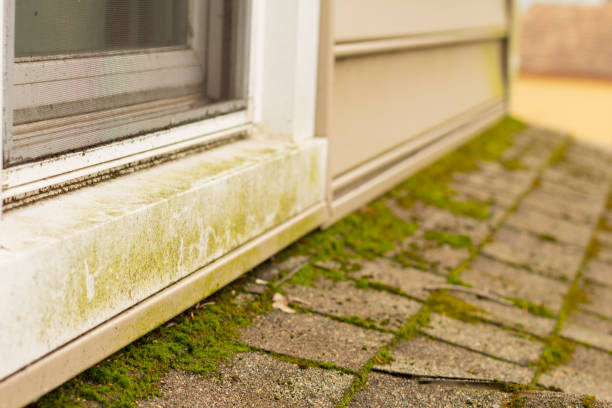
- Discolored Surfaces: Black, green, yellowish stains on walls, ceilings, or vents could indicate active mold colonies.
- Water Damage Signs: Peeling paint, warped wood floors, condensation on windows—especially after leaks—may serve as warning signs.
Who Is Most at Risk?
- Individuals with asthma or allergies
- Infants and young children
- Elderly individuals
- Those with compromised immune systems
Being vigilant about these populations’ environments is critical for their health.
| Symptom/Indicator | Possible Cause Related to Mold |
| Persistent coughing | Inhalation of airborne spores |
| Watery eyes | Allergic reaction caused by fungal allergens |
| Musty odor indoors | Mold hidden behind walls/under surfaces |
| Skin irritation | Direct contact with contaminated materials |
What to Do if You Suspect Mold Growth
If you notice any combination of the above symptoms and environmental signs in your home: 1. Inspect areas prone to moisture (e.g., basements and bathrooms). 2. Address water damage immediately by drying affected areas thoroughly within 24–48 hours. 3. Avoid disturbing suspected mold patches until professionals assess the situation; disruption can release additional spores into the air. 4. Contact a certified professional for thorough testing if the source remains unclear.
Being proactive about recognizing these indicators can protect both your health and property from long-term damage caused by unchecked mold growth.
Why You Should Schedule a Professional Home Mold Inspection
When it comes to mold growth in your home, addressing the issue promptly and thoroughly is critical. While DIY methods may seem cost-effective and straightforward, there are significant benefits to scheduling a professional mold inspection. Professionals bring specialized expertise, tools, and techniques that ensure accurate detection and effective remediation. Below, we explore why hiring a qualified mold inspector is a wise decision.
Advanced Mold Detection Techniques
- Behind walls
- Under flooring
- Inside HVAC systems
- In attics or basements
Professionals use state-of-the-art tools like infrared cameras, moisture meters, and air quality monitors to pinpoint mold infestations. These technologies provide a more thorough analysis than traditional DIY methods.
Comprehensive Expertise
Professional inspectors are trained to identify all types of mold species and assess the extent of contamination. Their expertise allows them to determine whether the mold in your home poses health risks or structural threats. They also understand how different environmental factors contribute to mold growth and can recommend solutions tailored to your specific situation.
| Area Inspected | Common Issues Detected |
| Bathrooms | Moisture from leaks or poor ventilation |
| Kitchens | Mold caused by plumbing issues |
| Crawl Spaces | High humidity levels |
| Basements | Water seepage through foundation |
Prevention of Further Contamination
Attempting to clean up mold without proper containment measures can inadvertently spread spores throughout the home. Professional inspectors follow strict protocols for assessing affected areas and preventing cross-contamination. If remediation is necessary, they work with certified teams who implement safe practices, such as sealing off rooms and using air scrubbers.
Health Protection for Your Family
- Asthma or chronic respiratory diseases
- Allergies or sensitivities
- Compromised immune systems
By addressing potential health threats early on with expert guidance, you can create a safer living environment for everyone in your home.
Long-Term Cost Savings
- Preventing further damage: Undetected mold left untreated can damage walls, ceilings, carpets, and furniture.
- Avoiding ineffective treatments: DIY remedies often address surface-level issues without resolving underlying problems.
- Reducing medical expenses: Preventing exposure-related health concerns saves on doctor visits and treatments.
When Should You Schedule an Inspection?
- After water damage incidents such as flooding or pipe leaks.
- If you notice persistent musty odors that don’t go away despite cleaning.
- When visible signs of deterioration—like discoloration on walls or ceilings—appear.
- During real estate transactions (buying or selling) for peace of mind regarding property value and safety.
Investing in professional inspections ensures thorough detection of hidden issues while safeguarding your family’s health and property value effectively—an essential step toward maintaining a safe living environment over time.
- How to Identify the Need for Mold Remediation Lakeland, FL Services
- Essential Tips for Lakeland, FL Mold Removal and Preventing Moisture Issues in Your Home
- Effective Lakeland, FL Mold Removal: Fix Leaks and Address Water Damage Promptly
- The Importance of Mold Remediation Lakeland, FL, When Buying or Selling a Home
- Effective Lakeland, FL Mold Removal by Managing Indoor Humidity Levels
- Expert Tips for Lakeland, FL Mold Removal and Detecting Mold in Your Home
- Effective Lakeland, FL Mold Removal: Preventing Mold Growth and Future Infestations
- How Lakeland, FL Mold Removal Services Can Protect Your Home