
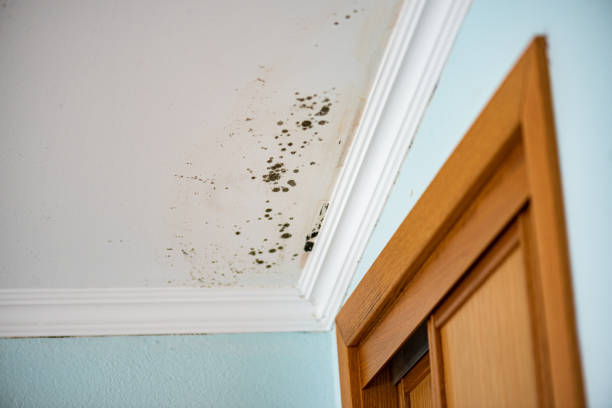
Maintaining a mold-free home is essential for promoting a healthy living environment. Mold thrives in damp, humid conditions, making it critical to properly manage moisture levels throughout your home. By implementing preventive measures, you can protect your property and the health of those who live there.
Control Indoor Humidity Levels
Excessive humidity creates an ideal breeding ground for mold. Aim to keep indoor humidity levels between 30% and 50%. Use tools like hygrometers to monitor humidity levels in your home.
– Install dehumidifiers: Ideal for basements, bathrooms, or other areas prone to dampness.
– Improve airflow: Use ceiling fans or open windows when possible to enhance ventilation.
Address Water Leaks Promptly
Leaking pipes or roofs can create hidden pockets of moisture that lead to significant mold problems over time.
– Inspect plumbing fixtures regularly for leaks or drips. – Fix roof leaks as soon as they are detected. – Check around windows and doors for water intrusion after heavy rain.
Enhance Ventilation in Key Areas
Proper ventilation helps regulate moisture levels indoors.
– Bathrooms: Run exhaust fans during and after showers.Kitchens: Use range hoods while cooking or boiling water.Laundry rooms: Ensure dryers are vented outdoors and avoid hanging wet clothes indoors.
Avoid Excessive Indoor Moisture Sources
Some habits unintentionally increase indoor moisture.
– Dry wet surfaces (e. g. , shower walls or counters) immediately after use. – Avoid allowing standing water (e. g. , in sinks or buckets).
– Use a squeegee on glass shower doors after bathing.
Regularly Inspect Vulnerable Areas
Certain spaces within your home are more prone to mold development due to limited airflow or high humidity levels.
Maintain Proper Drainage Around the Home’s Exterior
Water pooling around the foundation increases the likelihood of seepage into basements or crawlspaces. To prevent this: – Clean gutters regularly so they direct water away from your home. – Slope soil away from the foundation by at least 6 inches over a 10-foot span.
Avoid Overwatering Indoor Plants
While plants add aesthetic value and improve air quality indoors, overwatering them can lead to excess moisture in pots—creating an ideal environment for mold growth on soil surfaces.
By following these practices consistently, you will significantly reduce potential sources of indoor mold and maintain a safer living space free from harmful fungi. Take proactive care today so you can enjoy long-term peace of mind regarding your home’s health condition.
How to Identify Excess Moisture and When to Call a Mold Removal Company Lakeland, FL
Excess moisture is one of the primary factors that contribute to mold growth in homes. Early identification of potential moisture issues is crucial to preventing mold infestations and maintaining a healthy indoor environment. Below, we explore the common signs of excess moisture and how to address them effectively.
Common Signs of Excess Moisture
- Yellowish or brown stains on ceilings, walls, or floors can indicate water leaks.
- Peeling paint or bubbling wallpaper may also be a warning sign.
- A musty smell is often associated with mold and indicates hidden moisture problems in areas such as basements, attics, or behind walls.
- Frequent condensation may point to high indoor humidity levels. This can lead to moisture accumulation over time.
- Black, green, white, or other discolorations on surfaces like tiles, drywall, woodwork, or vents signal existing mold issues due to excess moisture.
- Wooden floors that are warped or walls that visibly bulge may result from prolonged exposure to water.
- Water accumulating near appliances (such as refrigerators or dishwashers), sinks, bathtubs, or basement floors should be immediately investigated.
How Excess Moisture Contributes to Mold Issues
Mold thrives in damp environments where organic materials (like wood, fabric, and drywall) are present.
- Poor ventilation in kitchens and bathrooms.
- Leaking roofs during heavy rains.
- Plumbing issues such as dripping pipes.
- High humidity levels exceeding 60%.
Steps for Addressing Excess Moisture
- Repair plumbing leaks under sinks and behind fixtures.
- Inspect your roof regularly for damage and repair missing shingles.
- Use a dehumidifier in high-humidity areas (e. g. , basements).
- Keep windows open when possible for better ventilation during dry weather.
- Install exhaust fans in kitchens and bathrooms.
- Ensure air vents are unobstructed throughout your home.
- Address spills promptly by drying affected areas within 24–48 hours.
- Use towels or mops to remove standing water after storms or plumbing incidents.
- Check under carpets for dampness if spills have occurred recently.
- Inspect your attic and crawl spaces regularly for leaks during wet seasons.
Monitoring Tools for Preventing Excess Moisture
| Tool | Purpose | Example Cost Range |
| Hygrometer | Measure indoor humidity levels | $10–$30 |
| Leak Detector Sensor | Alerts you about water leaks | $20–$50 |
| Dehumidifier | Reduces air moisture levels | $50–$300 |
| Infrared Thermometer | Detects temperature variations indicating leaks | $25–$100 |
By keeping these tools handy and addressing early warning signs of excess moisture proactively, homeowners can significantly minimize the risk of mold infestation while ensuring a safe living environment for their families.
Effective Mold Remediation in Lakeland, FL: Identifying Signs of Excess Moisture
Detecting excess moisture early is critical in preventing mold growth in your home. Mold thrives in damp environments, and by identifying these moisture issues promptly, you can safeguard your home and health. Below are key signs that indicate potential moisture problems.
Visible Water Stains and Discoloration
- Ceilings and Walls: Look for yellow, brown, or dark stains on ceilings or along walls. These often indicate water leaks or condensation buildup.
- Floors: Warping or buckling of wooden floors can signal water damage. Tile grout may also show discoloration if moisture is trapped beneath.
Persistent Musty Odors
A strong, musty smell is one of the most common indicators of hidden mold caused by excessive moisture. This odor often emanates from areas with poor ventilation, such as basements, laundry rooms, or under sinks.
Condensation on Surfaces
Excessive condensation on windows, pipes, or walls suggests high humidity levels indoors. Over time, this can lead to water accumulation and create ideal conditions for mold growth.
| Common Areas with Condensation | Possible Causes |
| Windows | Poor insulation or ventilation |
| Metal Pipes | Temperature differences |
| Bathroom Mirrors | Inadequate airflow |
Peeling Paint or Wallpaper
Moisture trapped within walls can cause paint to bubble, crack, or peel away. Wallpaper may also begin to warp or adhere poorly to the surface due to excess dampness.
Growth of Small Mold Spots
Even minor mold colonies appearing in corners, grout lines, or other damp areas are warning signs of excessive moisture. These spots typically start small but can spread quickly if not addressed.
Effective Mold Testing Lakeland, FL: Uncover Hidden Moisture
While visible signs are helpful clues for detecting excess moisture, some issues may remain concealed behind walls or beneath flooring.
- Use a Moisture Meter: A handheld device can measure the amount of water content in materials like wood and drywall.
- Inspect HVAC Systems: Air conditioning units and ductwork can accumulate condensation if not properly maintained.
- Look Behind Furniture: Large furniture placed against exterior walls can trap humidity and restrict airflow.

Understanding What Causes Excess Moisture and How Lakeland Mold Removal Services Can Help
Understanding the root causes of excess indoor moisture is crucial for addressing the issue effectively.
- Plumbing Leaks: Dripping faucets or hidden pipe leaks introduce steady sources of water into your living space.
- Poor Ventilation: Rooms without adequate airflow—e. g. , bathrooms without exhaust fans—retain excess humidity after activities like showering.
- Roof Damage: Missing shingles or damaged flashing allows rainwater to seep into attics and ceilings.
- Foundation Issues: Cracks in a home’s foundation can allow groundwater to infiltrate basements.
By recognizing these causes early and taking corrective action (e. g. , repairing leaks), homeowners can mitigate risks associated with both moisture buildup and mold contamination.
When to Seek Professional Mold Testing or Comprehensive Remediation Services
Mold problems can vary in severity, and while some minor cases may be manageable with DIY solutions, there are situations where professional intervention is essential. Knowing when to seek professional mold testing or remediation services can save your home from further damage and protect your health. Below, we explore circumstances where expert assistance becomes critical.
Situations Requiring Professional Mold Testing
- Persistent Musty Odors
If you notice a recurring musty smell in your home but cannot locate the source, professionals can help identify hidden mold growth using specialized tools such as moisture meters or infrared cameras. - Water Damage History
Homes that have experienced flooding, pipe leaks, or roof damage are at high risk for mold development. Even if no visible mold is present, experts can perform air and surface sampling to detect microscopic spores. - Unexplained Health Symptoms
If household members suffer from persistent allergy-like symptoms—such as coughing, sneezing, watery eyes, or skin irritation—it could be related to hidden mold exposure. Testing can confirm whether mold is the cause. - Buying or Selling Property
During real estate transactions, it’s wise to conduct professional testing to ensure there are no underlying mold issues that could affect property value or safety.
Signs You Need Comprehensive Mold Remediation
While small-scale mold issues (less than ten square feet) may sometimes be addressed personally using home remedies and cleaners like vinegar or hydrogen peroxide, larger infestations should always be handled by professionals.
- Extensive Spread
Mold covering large areas—walls, ceilings, flooring—or spreading through multiple rooms indicates a severe problem that requires expertise. Professionals have the equipment needed for safe and thorough removal. - Structural Damage
Advanced mold growth can lead to rotting wood and compromised drywall integrity. If structural components of your home are damaged, remediation experts will assess the extent of destruction and advise on necessary repairs. - HVAC Contamination
Mold inside air ducts and HVAC systems poses serious risks because spores can spread throughout your home every time the system operates. Specialized cleaning is required to prevent recontamination. - Toxic Mold Presence
Certain molds like Stachybotrys chartarum(commonly known as black mold) produce mycotoxins that are hazardous to health. Only trained professionals with proper safety equipment should manage these cases.
Benefits of Professional Services
| Service Features | Benefits |
| Advanced Detection Techniques | Identifies all sources of contamination |
| Safe Removal Practices | Protects household members from exposure |
| Preventative Recommendations | Addresses root causes like leaks or ventilation |
| Post-Cleanup Verification | Confirms successful removal via follow-up testing |
How to Choose a Reliable Service Provider
- Look for certifications such as IICRC (Institute of Inspection Cleaning and Restoration Certification) or NAMRI (National Association of Mold Remediators and Inspectors).
- Check online reviews and request references from past clients.
- Confirm they provide detailed reports after inspections.
- Ensure they follow EPA guidelines during cleanup processes.
Timely action combined with expert help is crucial for managing serious cases effectively while ensuring long-term protection against recurring issues.
When to Seek Professional Mold Testing or Comprehensive Remediation Services
While small-scale mold issues can often be managed with DIY solutions, there are instances where professional intervention is necessary. Knowing when to seek professional mold testing or remediation services is essential for safeguarding your living environment. Below, we explore key scenarios that warrant hiring experts.
Situations Requiring Professional Mold Testing
Certain circumstances call for expert mold testing to assess the extent of contamination and determine the appropriate course of action.
- If you notice a consistent musty smell in your home but cannot locate visible mold, professional testing can help identify hidden mold colonies, such as those behind walls, under flooring, or in ventilation systems.
- When you or your household members experience respiratory issues, headaches, allergic reactions, or other symptoms that could be linked to mold exposure, it’s critical to have the air quality professionally tested.
- After significant water damage caused by flooding, leaks, or burst pipes, hiring professionals for mold testing ensures that no residual moisture has led to undetected fungal growth.
- Before purchasing or selling a property, professional mold inspections provide peace of mind by confirming whether the home is safe and free from mold-related concerns.
When to Consider Comprehensive Mold Remediation Services
While some minor cases of surface-level mold can be cleaned with household products like vinegar or hydrogen peroxide, extensive contamination requires expert handling.
- If mold covers an area larger than 10 square feet (approximately a 3×3 foot section), it is generally recommended to involve specialists trained in safe removal techniques.
- Recurring outbreaks often indicate underlying problems with moisture control or ventilation that professional remediation teams are equipped to diagnose and resolve effectively.
- When areas like drywall, flooring, insulation, or wooden beams show signs of rot due to prolonged exposure to moisture and mold growth, professionals are required to prevent further damage and restore these structures safely.
- Mold in HVAC systems or crawl spaces requires specialized equipment and expertise for removal since these areas pose unique challenges during cleanup.
Benefits of Hiring Professionals
| Benefit | Description |
| Expertise | Professionals have training in identifying various types of molds accurately. |
| Advanced Tools | Use of HEPA vacuums and air scrubbers ensures thorough cleaning. |
| Prevention Focus | Experts address root causes like leaks or humidity levels. |
| Safety | Proper containment measures protect occupants from further exposure during cleanup. |
Final Thoughts on Professional Assistance
Timely professional intervention not only ensures effective removal but also prevents future outbreaks through proper assessment and guidance on maintaining a dry environment at home. By recognizing situations where DIY methods fall short and seeking expert help when needed, you protect both your property’s value and your family’s health.
- How to Identify the Need for Mold Remediation Lakeland, FL Services
- Essential Tips for Lakeland, FL Mold Removal and Preventing Moisture Issues in Your Home
- Effective Lakeland, FL Mold Removal: Fix Leaks and Address Water Damage Promptly
- The Importance of Mold Remediation Lakeland, FL, When Buying or Selling a Home
- Effective Lakeland, FL Mold Removal by Managing Indoor Humidity Levels
- Expert Tips for Lakeland, FL Mold Removal and Detecting Mold in Your Home
- Effective Lakeland, FL Mold Removal: Preventing Mold Growth and Future Infestations
- How Lakeland, FL Mold Removal Services Can Protect Your Home